Advanced solutions tailored to restore function, mobility, and confidence for individuals with upper limb loss.

What are Upper Limb Prosthetics?

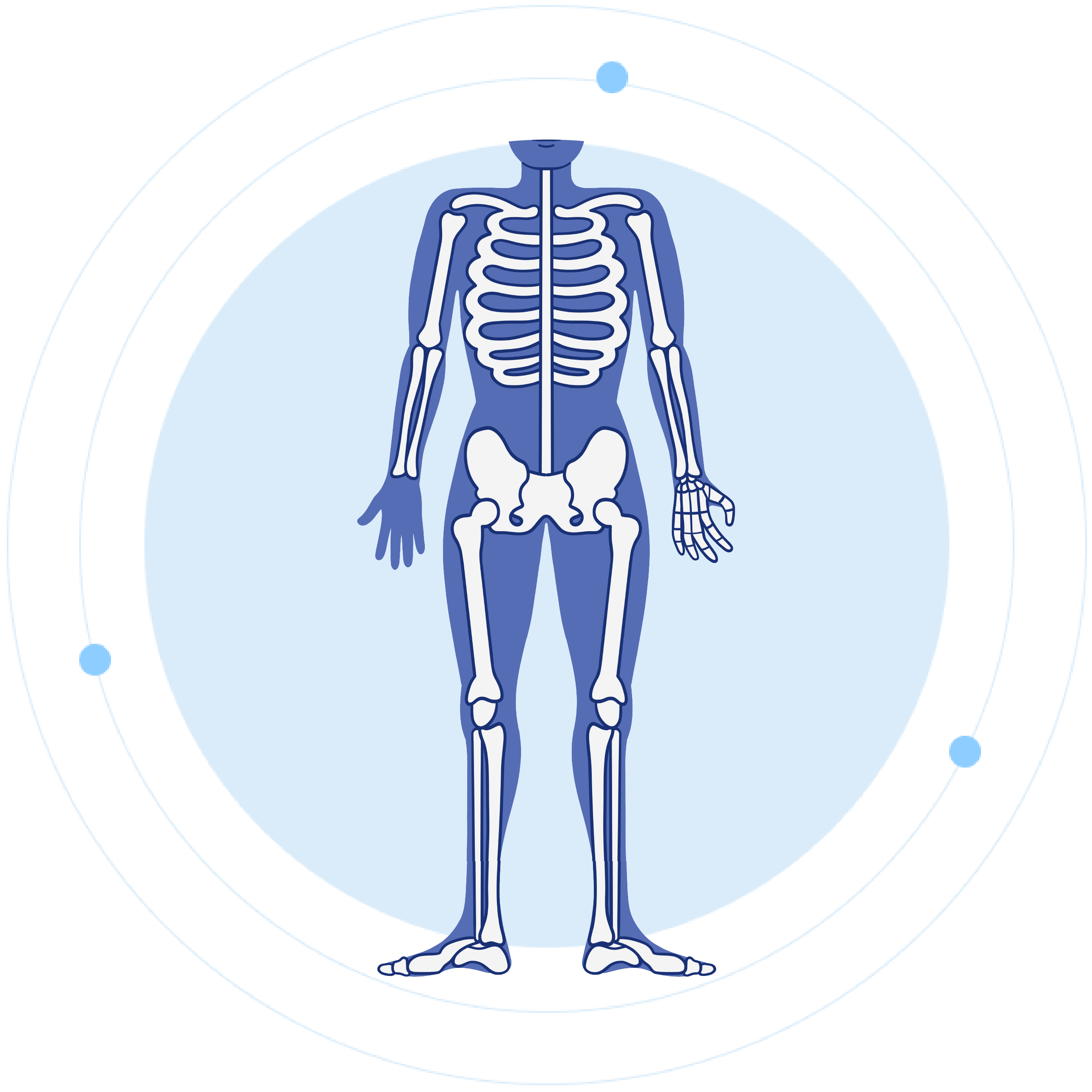
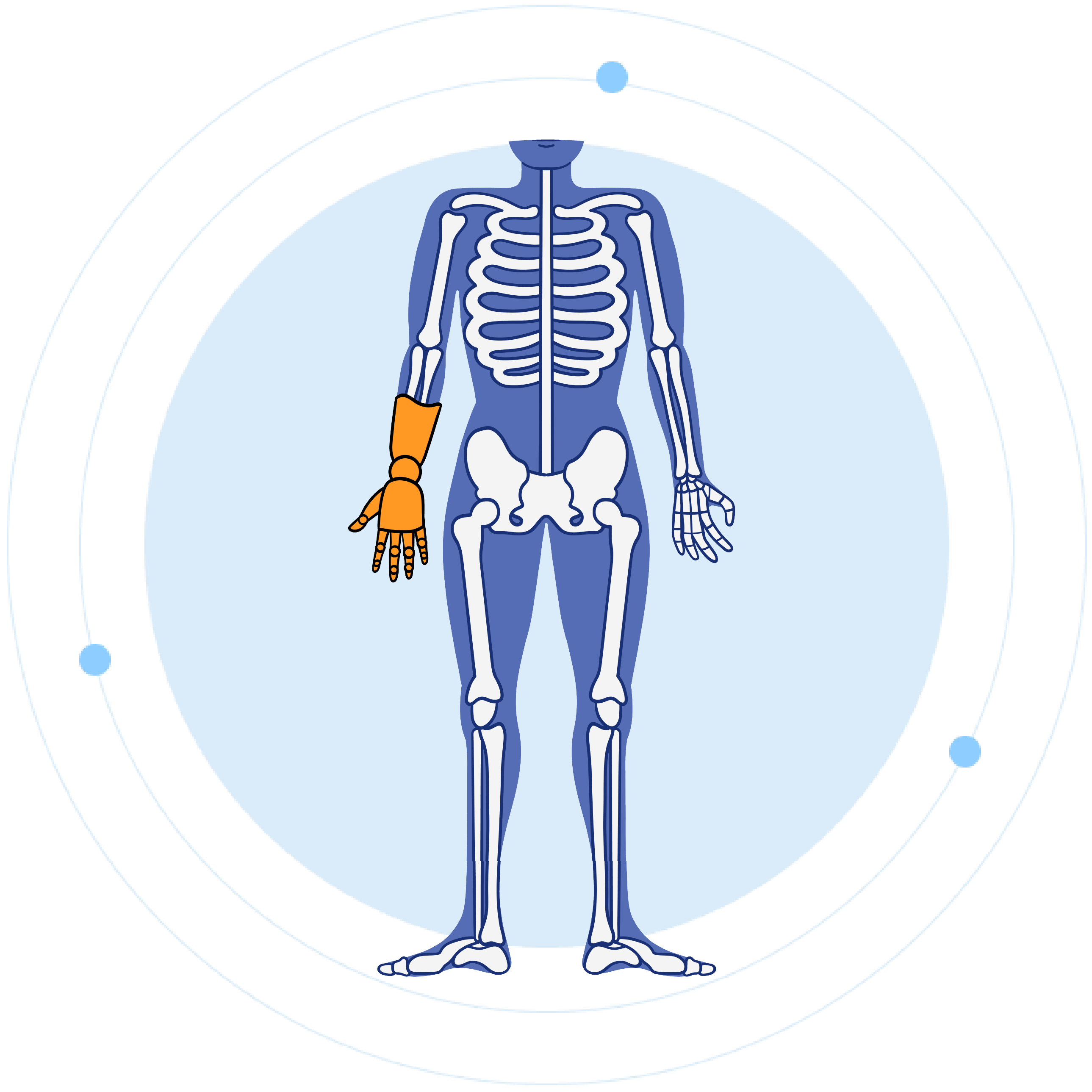
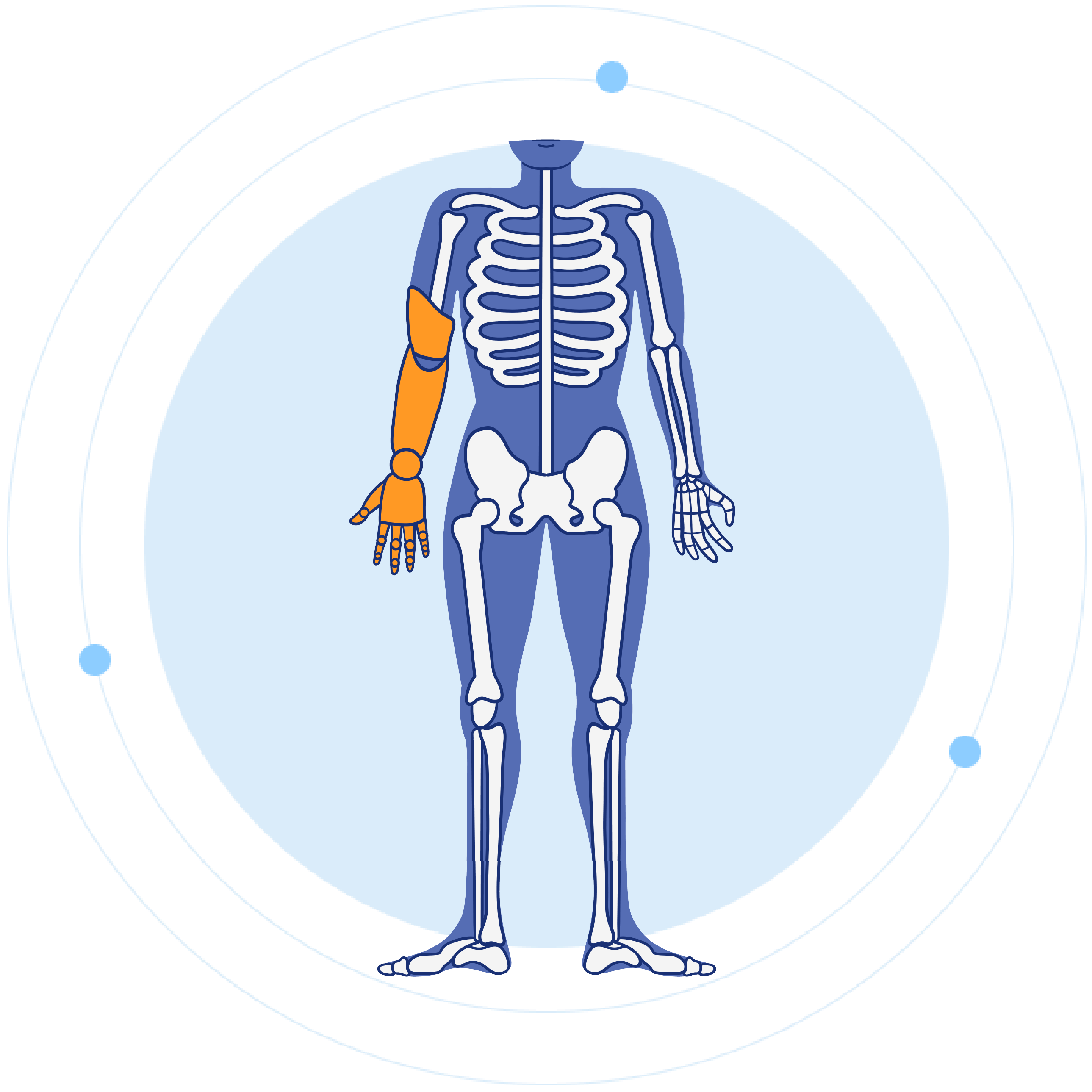
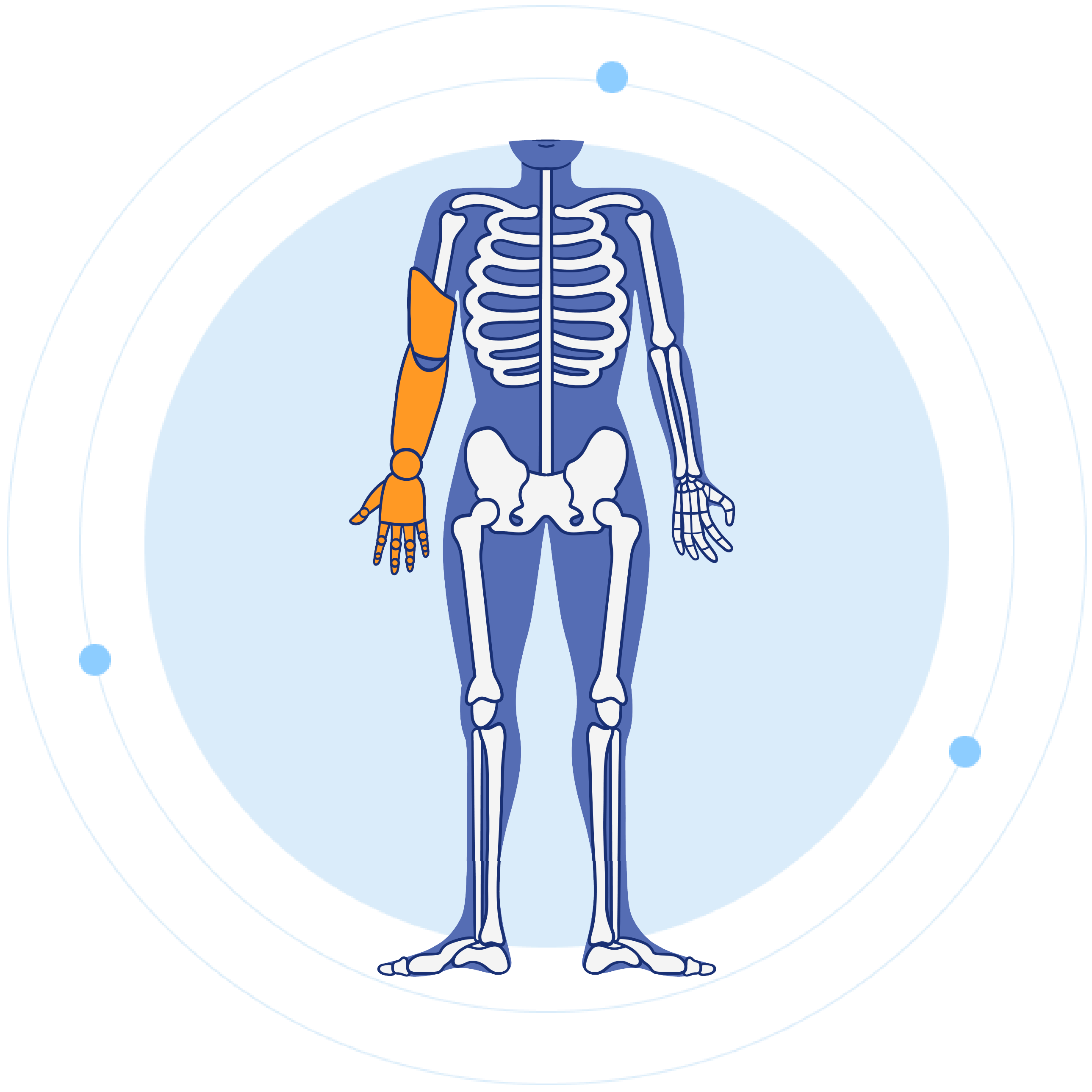
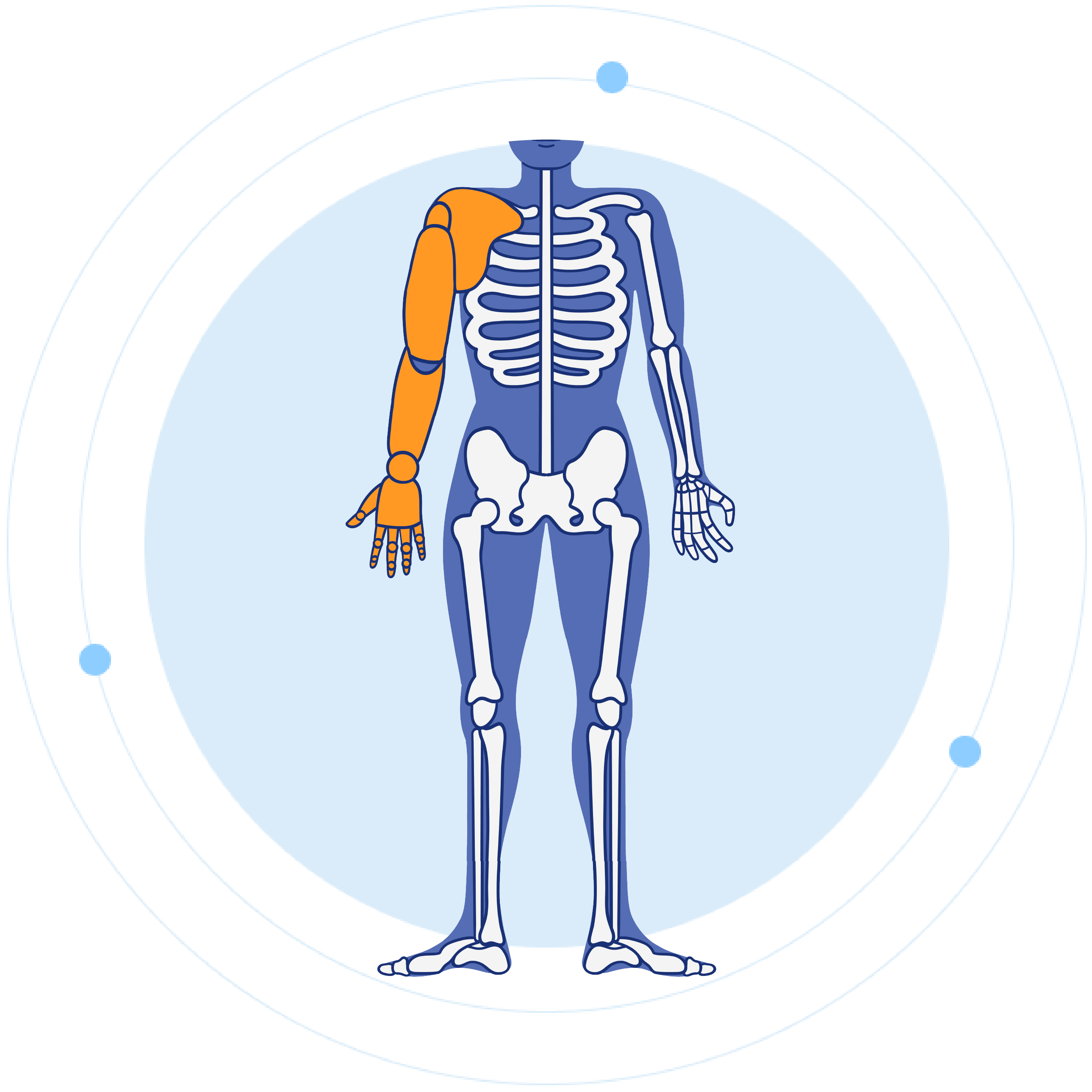
Upper limb prosthetics are specialised devices designed to restore function, mobility, and appearance for individuals who have lost part or all of their arm(s) due to trauma, illness, or congenital conditions. These prosthetics enable users to perform daily tasks, regain independence, and improve their quality of life. Upper limb prostheses are classified by the level of amputation, which determines the type of prosthesis required:

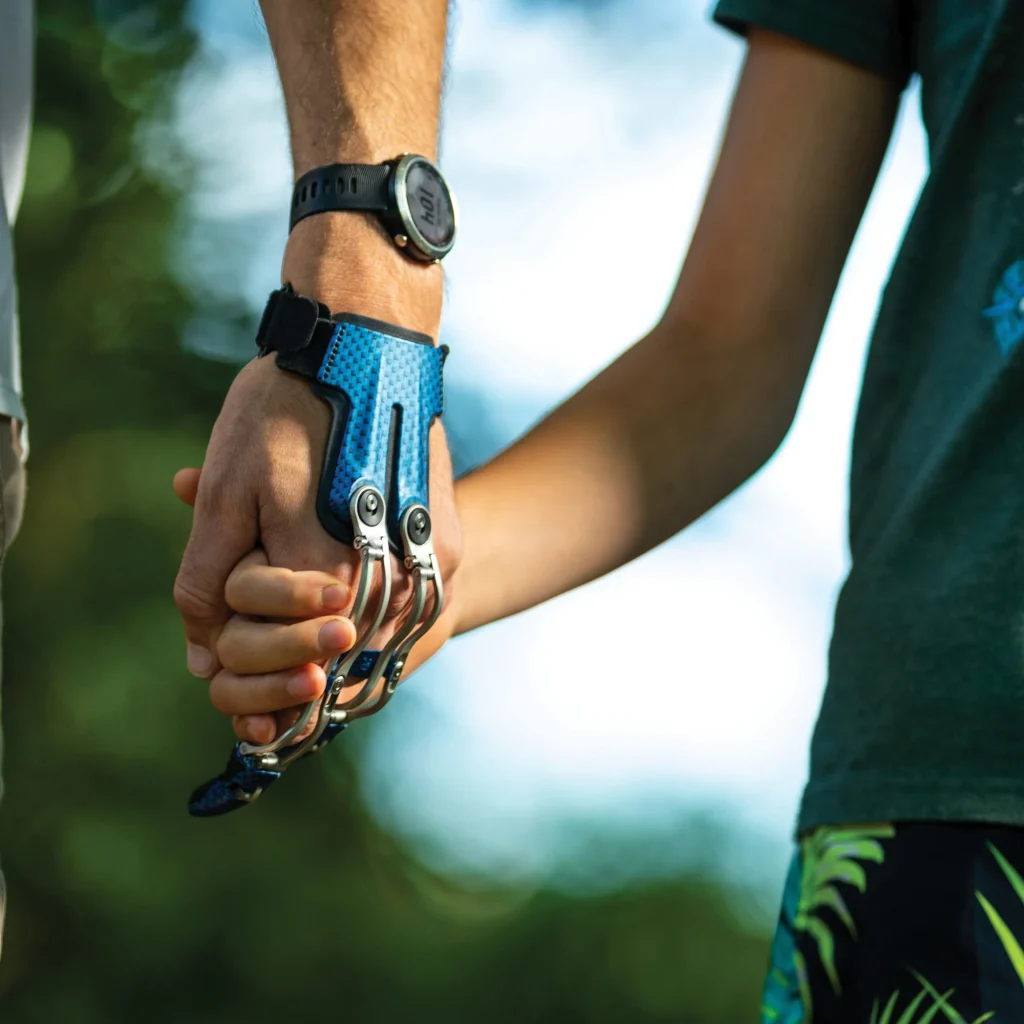
Partial Hand Amputation

Loss of fingers or part of the hand.

Wrist Disarticulation

Amputation through the wrist joint.

Transradial (Below Elbow) Amputation

Loss of the arm below the elbow joint.

Elbow Disarticulation

Amputation through the elbow joint.

Transhumeral (Above Elbow) Amputation

Loss of the arm above the elbow joint.

Shoulder Disarticulation or Forequarter Amputation

Amputation at or above the shoulder joint.

Why Choose Oswald Gibson for Upper Limb Prosthetics?

Expertise You Can Trust:

With over three decades of combined experience, our team specialises in creating prosthetics that prioritise comfort, functionality, and durability.
Cutting-Edge Technology:

From myoelectric systems to 3D scanning and CAD/CAM design, we use the latest advancements to deliver tailored solutions.

Patient-Centered Care
Compassionate Care:

We work closely with each patient, considering their unique needs and goals to provide comprehensive and empathetic support.

Össur OA Expertise Centre
Convenient Locations:

We proudly serve Cape Town and surrounding areas, with practices in Constantiaberg, Fish Hoek, and Simon’s Town.
Types of Upper Limb Prosthetics

There are three main types of upper limb prosthetics, each serving distinct purposes and user requirements:
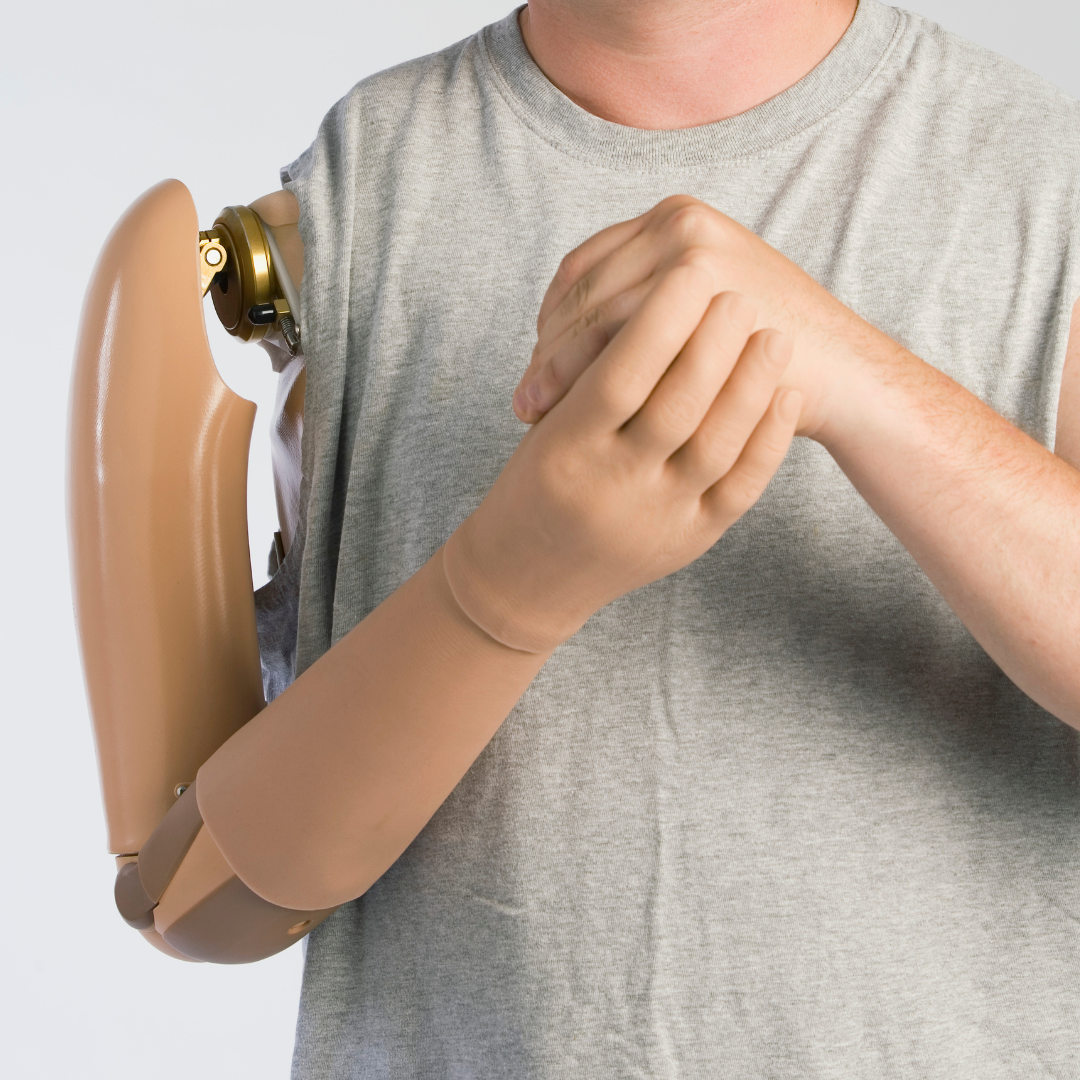
Cosmetic Prosthetics

These prosthetics focus on aesthetics rather than functionality. They replicate the appearance of a natural limb, providing emotional comfort and confidence for the user.

Body-Powered Prosthetics

Functional mechanical devices powered by a shoulder harness and cable system. Movements of the upper body control the prosthetic, enabling users to perform tasks like grasping and lifting. They are durable and lightweight, making them ideal for physically demanding activities.
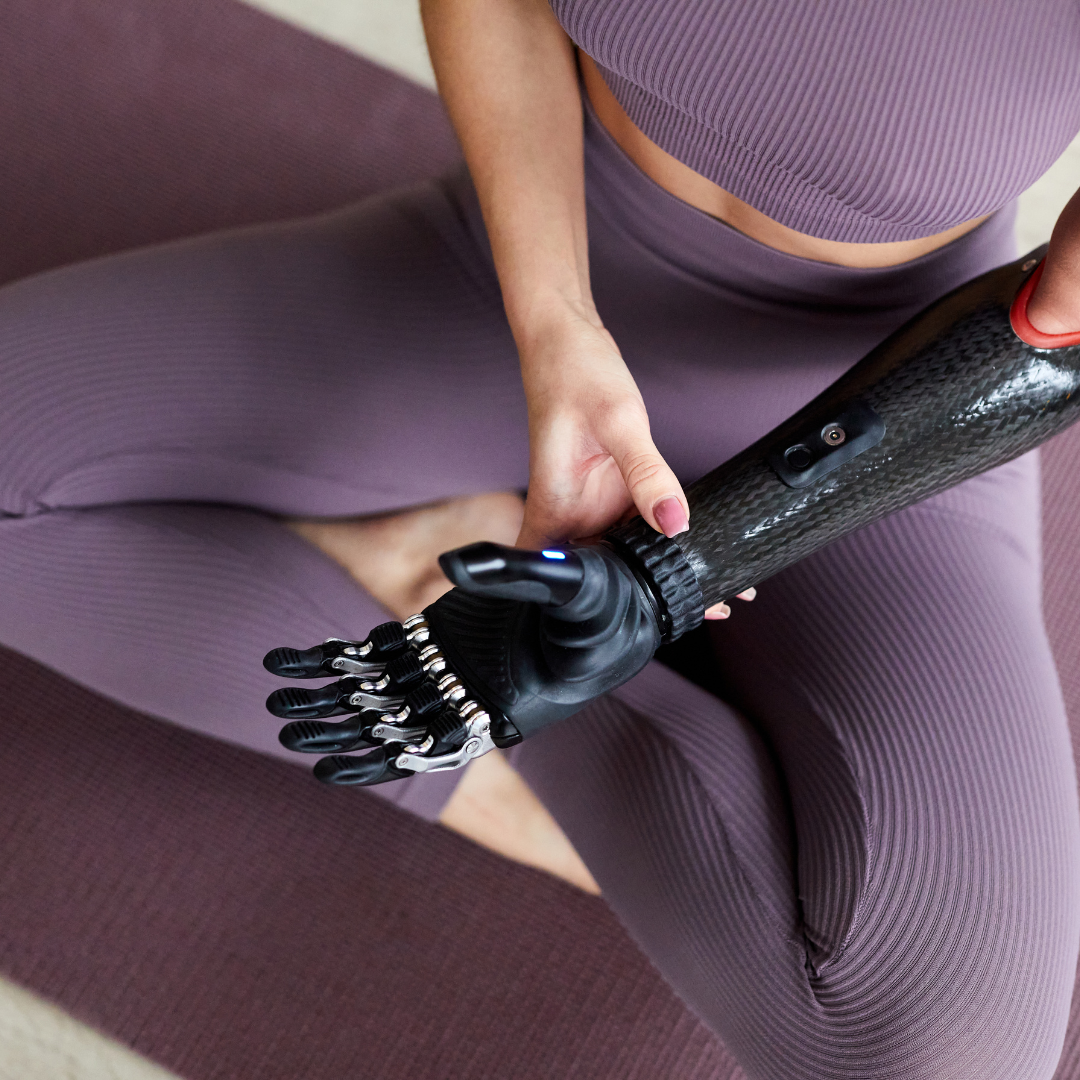
Myoelectric Prosthetics

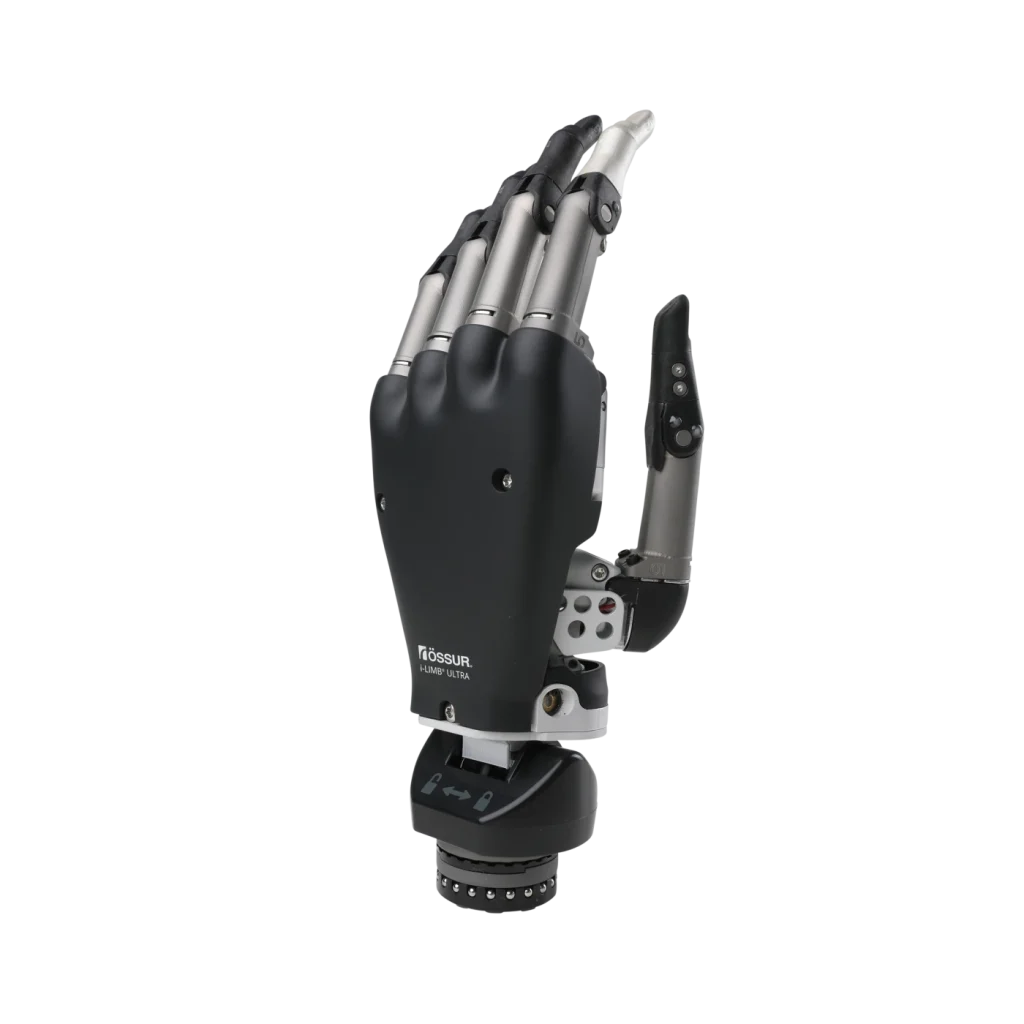
Controlled electronically through sensors that detect muscle signals in the residual limb. Myoelectric prosthetics provide advanced functionality, including precise movements and, in some cases, electronically controlled elbows. They combine innovative technology with natural motion for maximum independence.
Conditions Treated with Upper Limb Prosthetics

Upper limb prosthetics are designed for individuals who have experienced limb loss due to:
Trauma:

Accidents or injuries resulting in amputation.

Congenital Differences:

Absence of a limb or limb abnormality present at birth.

Illness or Disease:

onditions like cancer or severe infections leading to amputation.

Neurological Conditions:

Disorders requiring functional support.

Cutting-Edge Technology and Customisation

At Oswald Gibson, we combine innovative technology with personalised care to create upper limb prosthetics that feel like an extension of the body.

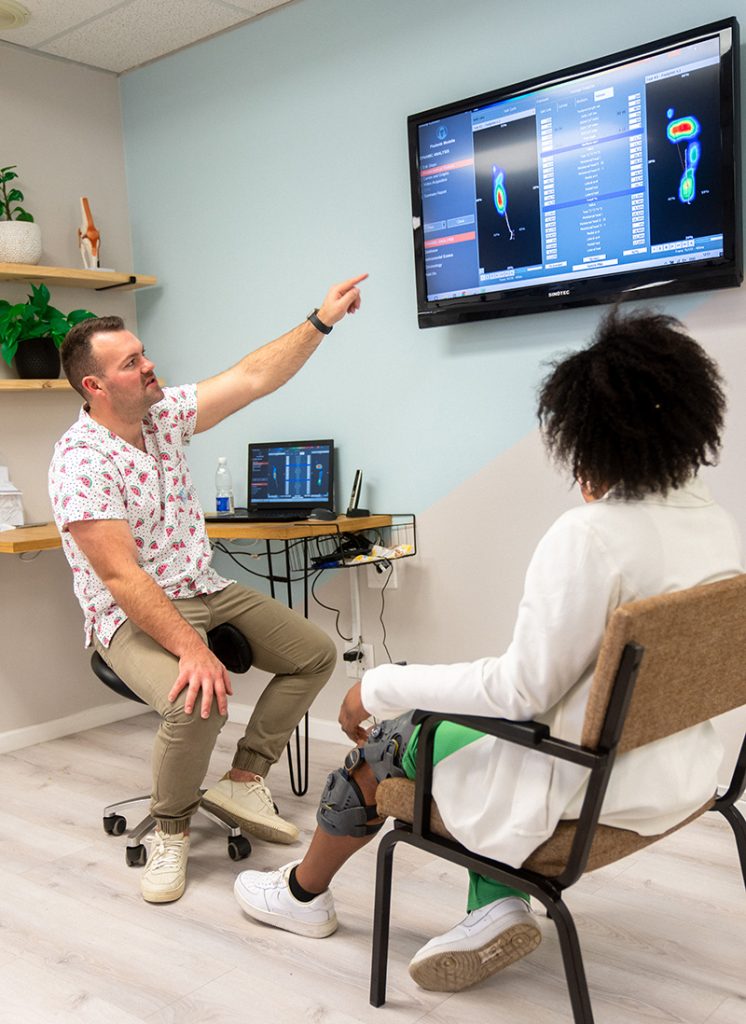
3D Scanning and CAD/CAM Technology:

Ensures precise measurements for a comfortable, customised fit.

Myoelectric Advancements:

Advanced sensors detect muscle signals for natural and precise movements.

Lightweight Materials:

Durable yet lightweight materials such as carbon fibre enhance comfort and usability.

Our Partnership with Össur

As an Össur Expertise Centre, we collaborate with one of the world’s leading orthopaedic innovators to offer cutting-edge solutions for upper limb prosthetics. This partnership ensures our patients benefit from state-of-the-art technology, premium materials, and expert support for every stage of their rehabilitation journey.

Key Considerations in Choosing an Upper Limb Prosthetic

At Oswald Gibson, we combine innovative technology with personalised care to create upper limb prosthetics that feel like an extension of the body.

Comfort and Fit:

Ensuring the prosthetic fits seamlessly with your body for long-term comfort.
Functionality and Dexterity:

Selecting the right prosthetic to match your daily activities and goals.
Lifestyle Needs:

Customising the prosthetic to suit work, hobbies, or sports.

Materials and Durability:

Lightweight yet durable options, such as carbon fibre and silicone.

Cost of Upper Limb Prosthetics in South Africa:

Tailored solutions to match your budget and requirements.

Testimonials

What our patients say

Frequently asked questions

Upper limb prosthetics are devices that replace missing arms, hands, or fingers to help you regain movement and independence.
We provide expert fittings for upper limb prosthetics, including affordable options, at our clinics in Constantiaberg, Fish Hoek, and Simon’s Town.
Electronic, or myoelectric, prosthetics use sensors to pick up muscle signals in your arm, letting you control movements like opening a hand or bending an elbow.
The cost varies depending on the type. Basic options, like cosmetic arms, are more affordable, while advanced myoelectric prosthetics cost more due to the technology. We can discuss affordable arm prosthetic options during your consultation.
Body-powered prosthetics use a harness and cables to move the limb, while electronic ones use sensors and batteries for smoother, more natural movements.
Yes! We offer affordable arm prosthetics for children, designed to support their growth and help them live as actively as possible.
It usually takes a few weeks, including measuring, designing, and fitting, to ensure it’s comfortable and functional.
They’re often made from lightweight materials like carbon fibre, durable plastics, and silicone to make them strong yet comfortable to wear.
Many medical aids cover part of the cost, but it depends on your plan. We can help you with the paperwork to submit a claim.
Absolutely! Depending on the type, prosthetics can help with tasks like eating, writing, or even exercising.