Prosthetic Arms in Cape Town
Restoring Function, Independence and Confidence
We provide custom upper limb prosthetic solutions designed to support hand and arm function, improve independence, and help individuals return to everyday activities with greater confidence and control.
What Are Upper Limb Prosthetics?
Upper limb prosthetics, commonly known as prosthetic arms or artificial arms, are devices designed to replace missing parts of the arm or hand. These prosthetic solutions help restore function, improve independence, and support everyday activities for individuals who have experienced limb loss.
Experience You Can Trust in Upper Limb Prosthetics
Our work is built on experience, precision, and a genuine commitment to helping individuals regain independence following limb loss.
Experienced and Dedicated Team:
Patient-Centred Upper Limb Rehabilitation:
Advanced Technology and Precision Fitting:
Collaborative Rehabilitation Approach:
Convenient and Accessible Care:
Types of Prosthetic Arms
Different levels of limb loss, functional goals, and lifestyles require different types of prosthetic arms. We offer a range of upper limb prosthetic solutions designed to restore movement, improve independence, and support everyday activities.
Partial Hand Prosthesis:
Partial hand prosthetics can be classified as functional or cosmetic. They are designed for individuals who have lost one or more fingers or part of the hand. These prosthetic devices either help restore grip function, improve hand stability, and support daily tasks such as holding objects and performing fine-motor activities, or to prioritize Lifelike custom-matched appearance to restore your natural body image. Each partial hand prosthesis is customised to match the individual’s anatomy and functional needs.
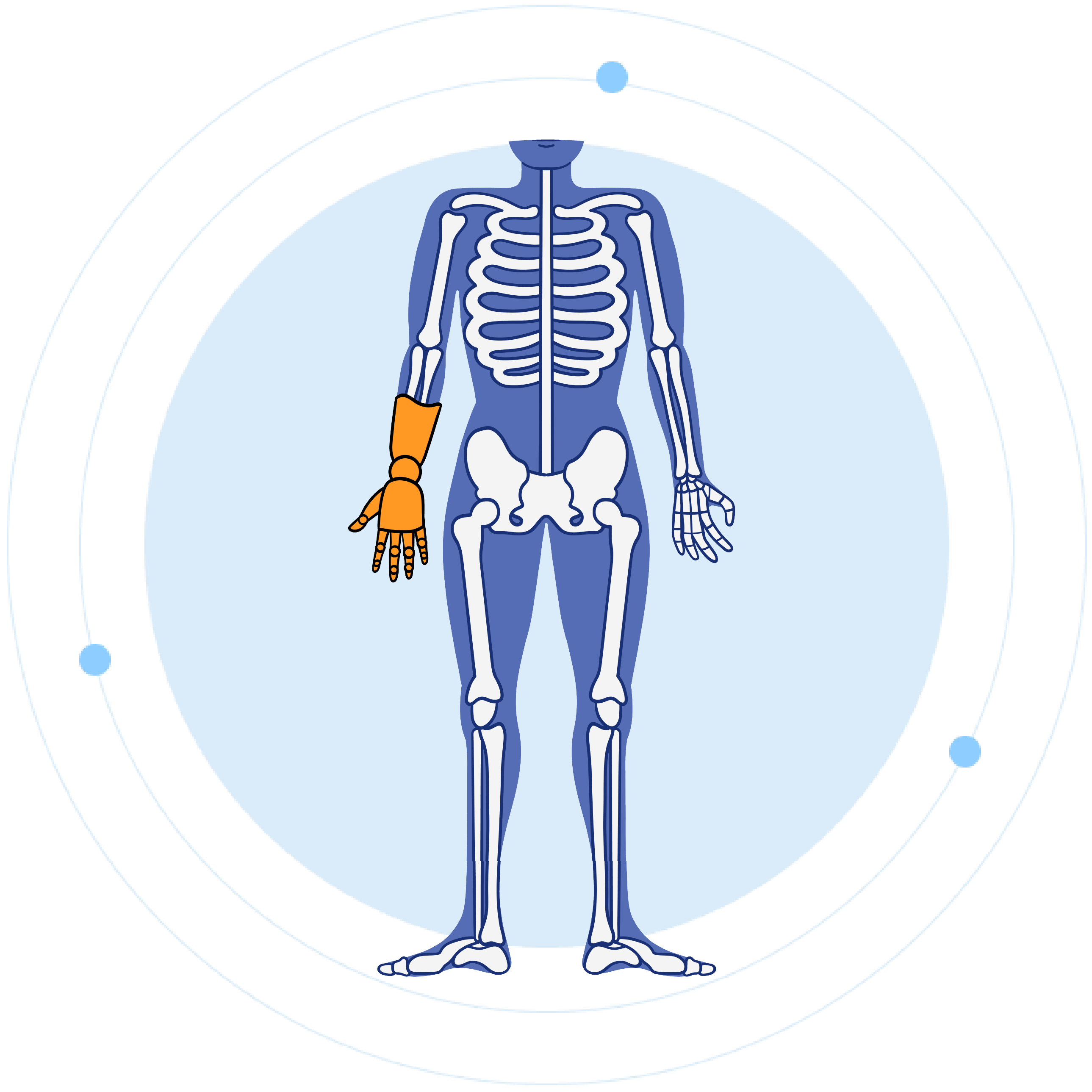
Below-Elbow Prosthetics (Transradial Prosthesis):
Below-elbow prosthetic arms are designed for individuals with limb loss below the elbow. These prosthetics typically allow for greater control and ease of movement, as the elbow joint remains intact. Below-elbow prosthetics can support a wide range of functional tasks and are often associated with improved adaptability and independence.
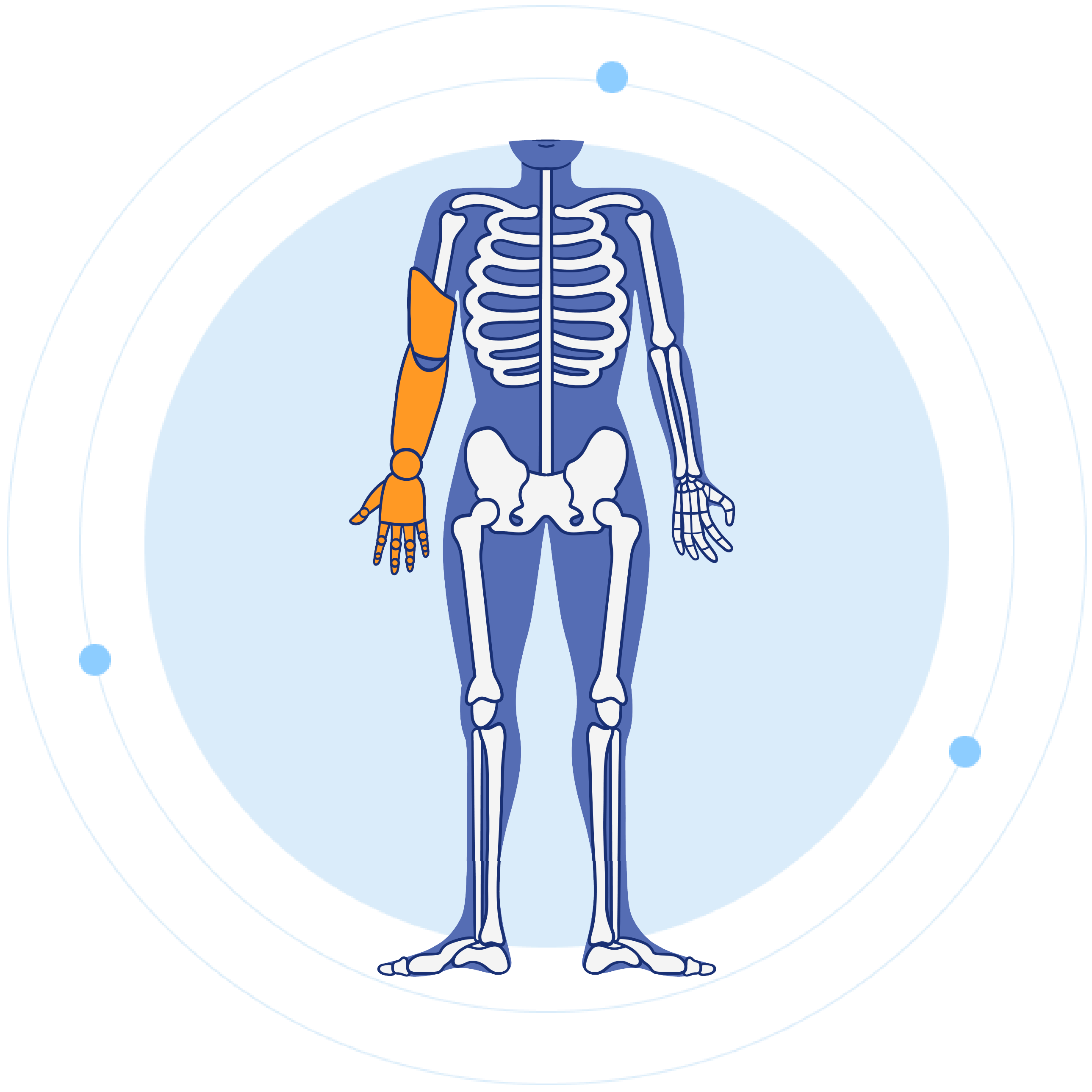
Above-Elbow Prosthetics (Transhumeral and Elbow Disarticulation Prostheses):
Above-elbow prosthetic arms are designed for individuals with limb loss above the elbow. These prosthetics incorporate elbow joints and specialised components to support controlled movement and positioning. Above-elbow prosthetics focus on restoring reach, stability, and functional movement for daily activities.
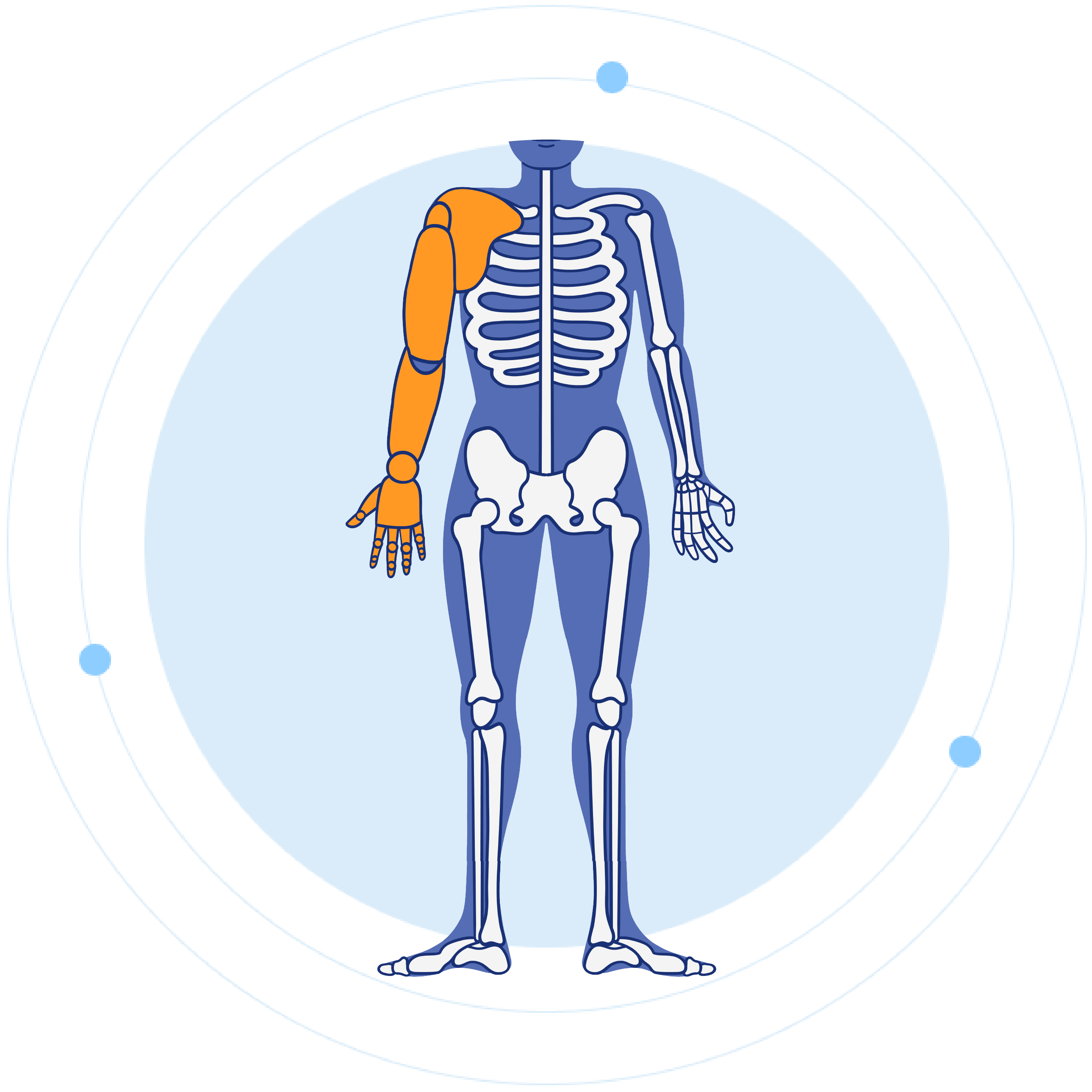
Shoulder Disarticulation:
Shoulder disarticulation prostheses are designed for individuals with limb loss through the shoulder joint. These prosthetics may include a customised shoulder structure, upper arm, elbow joint, wrist, and terminal device to support functional movement. Each prosthesis is carefully designed around the individual’s anatomy, goals, and lifestyle, with a focus on restoring balance, improving independence, and supporting everyday activities.
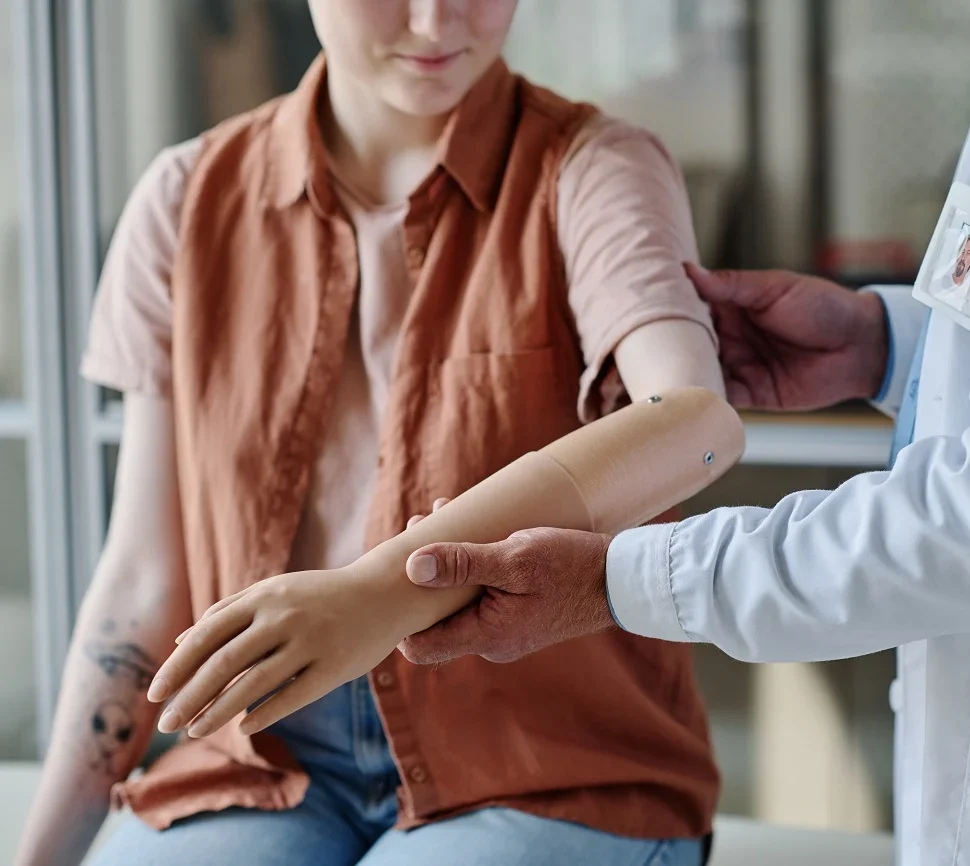
Passive Prosthetic Arms:
Passive prosthetic arms are designed primarily for appearance and light functional support. While they do not actively move, they can assist with stabilising objects, supporting balance, and improving symmetry. These prosthetic arms are often chosen for individuals who prioritise cosmetic appearance or require minimal functional assistance.

Body-Powered Prosthetic Arms:
Body-powered prosthetic arms use a cable-and-harness system to control movement. These prosthetics are durable and reliable, allowing the user to operate the hand or hook through body movements such as shoulder or upper-body motion. They are commonly used for individuals who require strong grip control and dependable function during daily tasks.
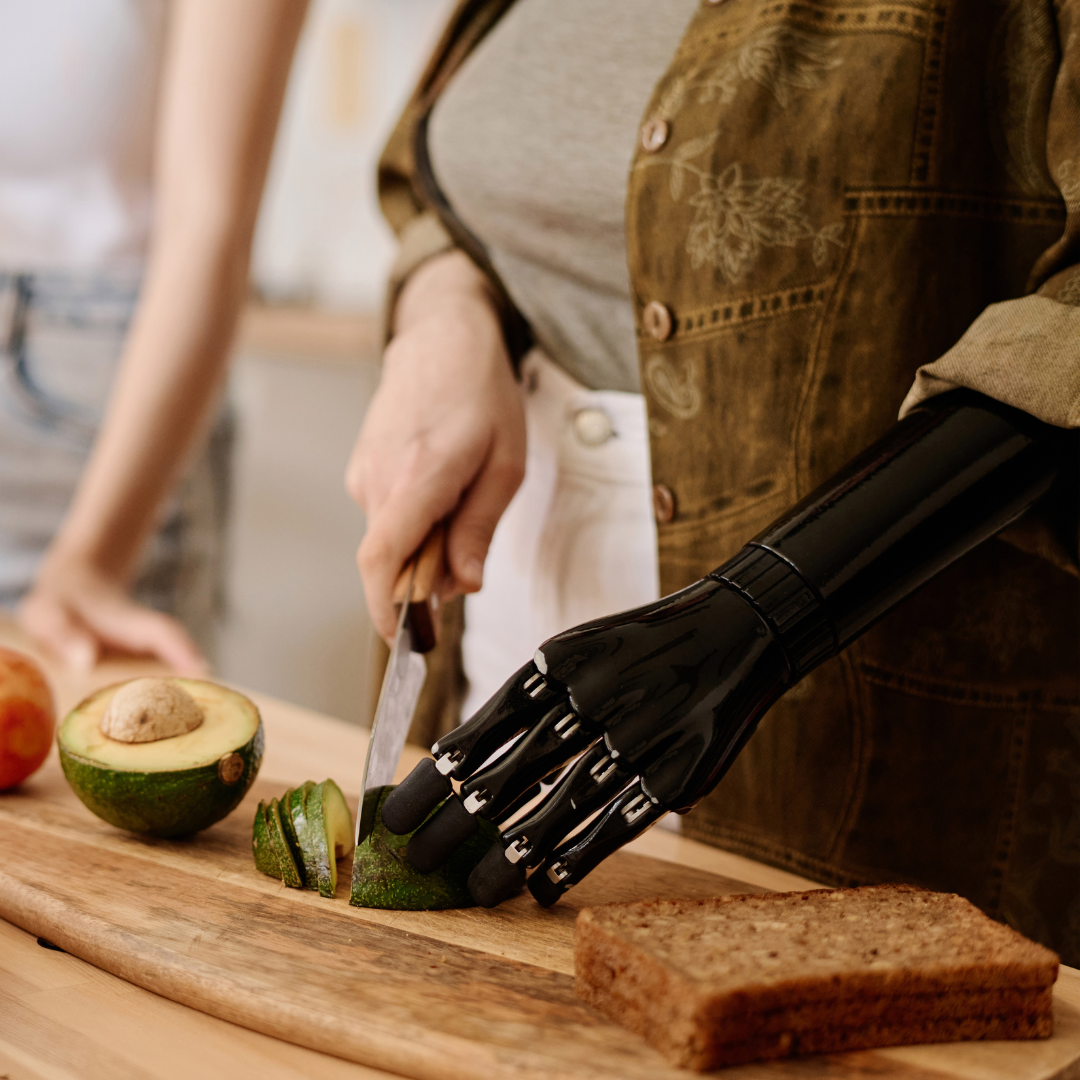
Myoelectric Prosthetic Arms:
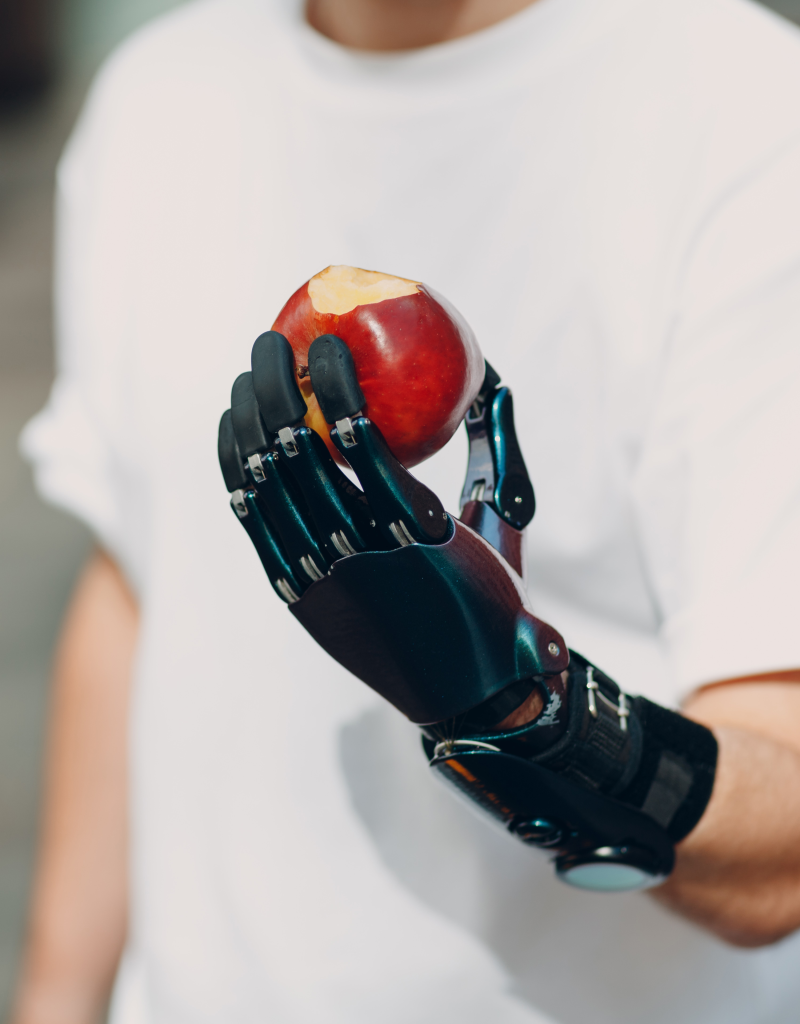
Myoelectric prosthetic arms use small electrical signals from muscles in the residual limb to control movement. These advanced prosthetic arms allow for more natural hand and finger motion, enabling users to perform a wide range of everyday tasks. Myoelectric prosthetics are often suited to individuals seeking improved ease of use, control, and functional independence.
Materials and Technology Used in Prosthetic Arms
The effectiveness of a prosthetic arm depends not only on its design but also on the materials and technology used to create it. We carefully select materials based on the level of limb loss, functional needs, lifestyle, and daily activities to ensure the best possible outcome.
Lightweight Structural Materials:
Modern prosthetic arms are made using lightweight materials that provide strength without unnecessary bulk. These materials improve comfort, reduce fatigue, and allow for easier movement throughout the day.
Durable Functional Components:
Prosthetic arms include carefully selected components designed to withstand daily use. Durable joints, connectors, and terminal devices allow for reliable performance across a wide range of activities.
Myoelectric Technology:
Advanced myoelectric prosthetic arms use electrical signals from muscles to control hand and finger movement. This technology allows for more natural and controlled motion, helping individuals perform tasks that require precision and coordination.
Custom Socket Design:
The socket (the part of the prosthetic that fits over the residual limb) plays a critical role in comfort and function. Each socket is custom-designed to match the individual’s anatomy, ensuring stability, comfort, and long-term wearability.
Advanced Assessment and Custom Fabrication:
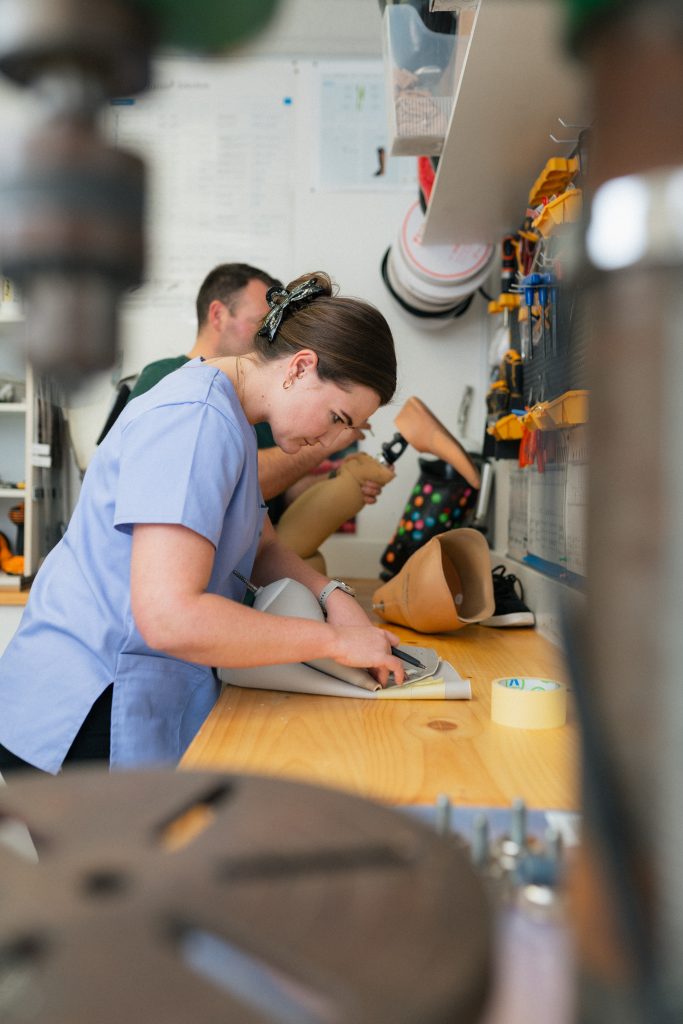
We use detailed assessments, measurement techniques, and modern fabrication methods to create prosthetic arms tailored to each individual. This precision helps improve fit, comfort, and overall functional outcomes.
Restoring Everyday Function with Arm Prosthetics
Gripping and Holding Objects:
Prosthetic arms can assist with gripping and stabilising objects, making it easier to handle everyday items such as cups, utensils, tools, and personal belongings. Restoring this ability supports independence and confidence during daily tasks.

Personal Care and Self-Care Tasks:
Upper limb prosthetics can support personal care activities such as eating, grooming, brushing teeth, and managing clothing fasteners. These essential tasks play an important role in maintaining independence and dignity.
Dressing and Daily Routines:
Activities such as dressing, tying shoelaces, or managing buttons and zips can become more manageable with the right prosthetic support and rehabilitation training.

Work and Vocational Activities:
Many prosthetic arms are designed to support work-related tasks, from office-based roles to more physical or technical work. Supporting return-to-work goals helps individuals regain confidence and independence.
Sports and Recreational Activities:
Prosthetic arms can support participation in hobbies, exercise, and recreational activities. These devices can be adapted to suit specific movement needs and support an active lifestyle.

Household Tasks and Daily Independence:
Everyday activities such as cooking, cleaning, carrying items, and managing household tasks can become easier with the right prosthetic solution, supporting independence at home.

Key Considerations When Choosing a Prosthetic Arm
Choosing the right prosthetic arm is an important step in restoring function and independence. Each upper limb prosthesis is carefully selected based on the level of limb loss, daily activity needs, and personal goals. Our role is to guide you through the available options, ensuring the prosthetic solution supports comfort, movement, and long-term usability.
Level of Limb Loss:
The level of limb loss, whether partial hand, below the elbow, or above the elbow, plays a major role in determining the type of prosthetic arm required. Each level requires different components and movement strategies to support functional independence.
Comfort and Socket Fit:
Comfort is one of the most important factors in the success of a prosthetic arm. A well-designed socket ensures proper support, reduces pressure points, and allows for longer, more comfortable wear throughout the day.
Lifestyle and Daily Activities:
Your lifestyle plays a key role in selecting the right prosthetic arm. Whether the focus is on daily self-care, work-related tasks, or recreational activities, the prosthetic must be suited to the demands of your routine.
Technology and Functional Needs:
Prosthetic arms range from simple passive designs to advanced myoelectric systems. The level of technology chosen depends on functional goals, required movement precision, and individual preferences.
Durability and Long-Term Use:
Prosthetic arms are designed for regular daily use, so durability is an important consideration. Materials and components are selected to provide strength, reliability, and long-term performance.
Prosthetic Arm Cost in South Africa:
The cost of a prosthetic arm can vary depending on the type of prosthesis, level of customisation, and components used. Pricing typically includes professional fitting services, the cost of mechanical or electronic components, and ongoing maintenance or adjustments over time. Following assessment, we provide a detailed quote and can assist with medical aid submissions where applicable.
Testimonials
What our patients say
Frequently asked questions
How much does a prosthetic arm cost in South Africa?
The cost of a prosthetic arm in South Africa can vary widely depending on the type of prosthesis, level of limb loss, and components used. Basic body-powered prosthetic arms generally cost less than advanced myoelectric prosthetic arms, which use electronic components. After a clinical assessment, we provide a detailed quotation based on your specific needs and can assist with medical aid submissions where applicable.
What is the price of a prosthetic arm or artificial arm?
The price of a prosthetic arm depends on several factors, including the level of amputation, type of prosthetic hand or terminal device, and whether mechanical or myoelectric technology is used. Custom prosthetic arms are designed to match your anatomy and lifestyle, which also influences the overall cost.
How much does a myoelectric prosthetic arm cost?
Myoelectric prosthetic arms typically cost more than mechanical or body-powered prosthetic arms due to their advanced technology. These devices use muscle signals to control hand movement and provide improved function and precision. A consultation helps determine whether this option is suitable and what the expected cost may be.
Is a prosthetic arm covered by medical aid in South Africa?
Many medical aid schemes provide partial or full coverage for prosthetic arms, depending on your policy and available benefits. We assist patients with the required documentation, quotations, and motivation letters to support medical aid claims.
What types of prosthetic arms are available?
There are several types of prosthetic arms available, including passive prosthetic arms, body-powered prosthetic arms, myoelectric prosthetic arms, and partial hand prosthetics. The most suitable option depends on the level of limb loss, functional goals, and daily activity requirements.
How long does it take to get a prosthetic arm fitted?
The time required to receive a prosthetic arm varies depending on the complexity of the prosthesis. Most prosthetic arms are completed over several stages, including assessment, casting or scanning, fabrication, and fitting. The full process may take several weeks.
What is the difference between a body-powered and myoelectric prosthetic arm?
Body-powered prosthetic arms use cables and harness systems to control movement through body motion, while myoelectric prosthetic arms use electrical signals from muscles to control hand and finger movement. Each type offers different advantages depending on functional needs and lifestyle.
How long do prosthetic arms last?
Most prosthetic arms last several years with proper care and regular follow-up appointments. Over time, adjustments or component replacements may be required due to wear or changes in the residual limb.
Can I use a prosthetic arm for everyday activities?
Yes. Modern prosthetic arms are designed to support everyday activities such as eating, dressing, working, and handling objects. With proper rehabilitation and training, many individuals regain a high level of independence.
Where can I get a prosthetic arm in Cape Town?
We provide custom prosthetic arm and upper limb prosthetic services in Cape Town. Our main practice is located at Mediclinic Constantiaberg, with additional sessional clinics in Fish Hoek and Simon’s Town.
How do I know which prosthetic arm is right for me?
The best prosthetic arm depends on the level of limb loss, functional goals, daily activities, and budget. During your consultation, we assess your needs and guide you through the available options to help you make an informed decision.
Can I get funding or financial assistance for a prosthetic arm?
Funding options for prosthetic arms may include medical aid schemes, government programmes, or charitable funding support. We assist patients in exploring available funding options and preparing the necessary documentation.