
Comprehensive Diabetic Foot Care & Prosthetic Solutions in Cape Town
Expert care for diabetic foot complications
What Is a Diabetic Foot Condition?
A diabetic foot refers to a group of complications that affect the feet and lower limbs of individuals living with diabetes. Due to poor blood circulation, nerve damage (neuropathy), and slower healing, even a small wound can quickly develop into an ulcer exposing it to serious infection.
Over time, these issues can progress, leading to pain, loss of sensation, deformities, or, in severe cases, the need for amputation. This is why early detection, prevention, and proper orthotic or prosthetic care are essential for maintaining mobility and quality of life.
At Oswald Gibson Orthotics & Prosthetics, we specialise in comprehensive diabetic foot management. We offer custom orthotics, protective footwear, and advanced prosthetic solutions for individuals affected by diabetes-related limb complications.
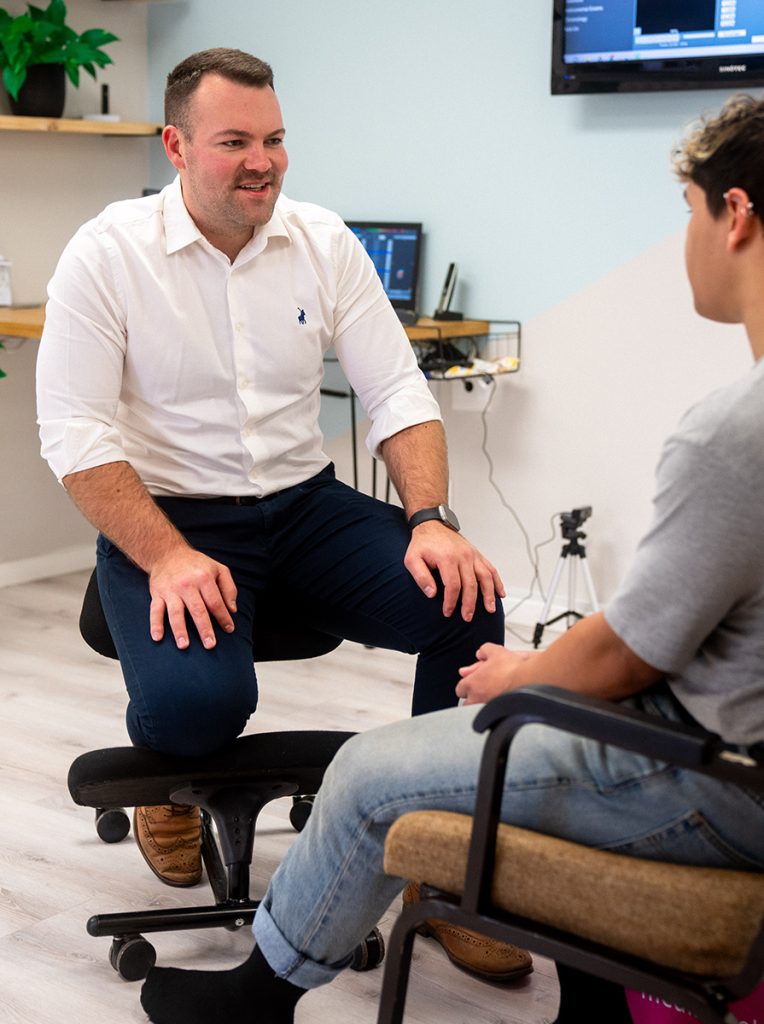
The Connection Between Diabetes and Foot Health
Diabetes can affect multiple systems in the body, and over time, these effects can take a serious toll on the feet and lower limbs. The main contributors to diabetic foot problems include:

Peripheral Neuropathy (Nerve Damage)
High blood sugar levels can damage the nerves, reducing sensation in the feet. This means that small cuts, blisters, or pressure points often go unnoticed, allowing minor injuries to develop into ulcers or infections.

Poor Circulation (Peripheral Arterial Disease)
Diabetes narrows and hardens the blood vessels, reducing blood flow to the legs and feet. This limits the body’s ability to heal wounds and fight infection, increasing the risk of gangrene and amputation.
Infections and Ulcers
Reduced sensation and circulation make the feet more vulnerable to infections. Even a small wound can turn into a serious ulcer, which, if untreated, may spread to deeper tissues or bone.

Structural Deformities
Long-term nerve damage can lead to deformities such as hammertoes or Charcot foot, altering how pressure is distributed across the foot and increasing the risk of further injury.
Risk of Amputation:
When ulcers or infections don’t heal, amputation may become medically necessary to prevent life-threatening complications. Early prevention and proper management are the best ways to avoid this outcome.
At our Constantiaberg practice, we provide early intervention, custom orthotics, and advanced prosthetic care to help patients prevent complications and, where needed, recover mobility after amputation.
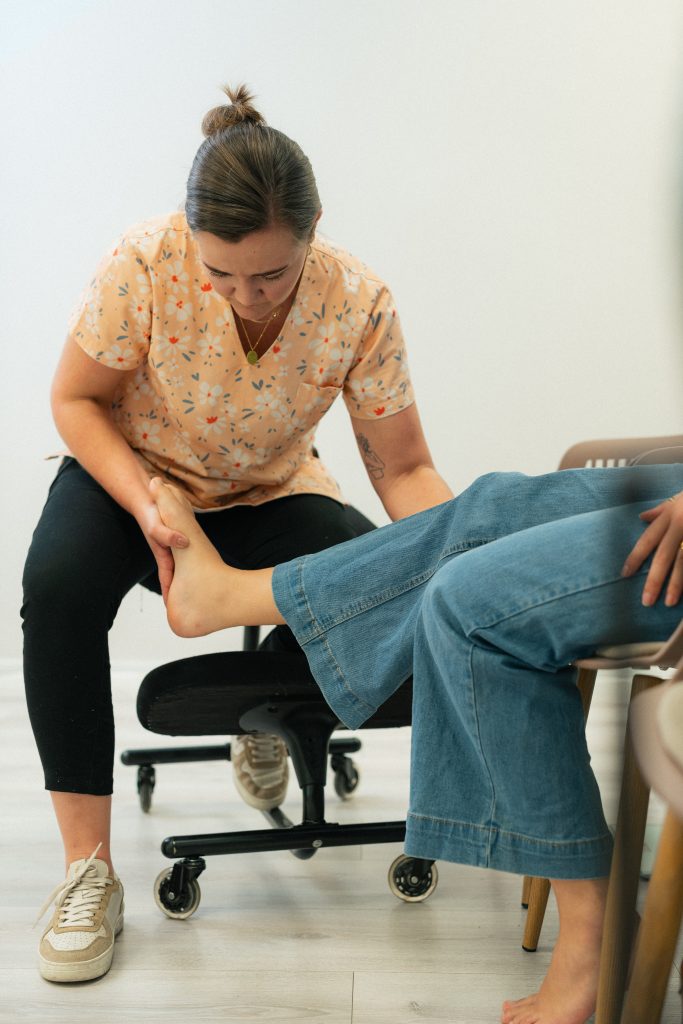
Protecting Your Feet Before Problems Start
When it comes to diabetes, prevention is always better than treatment. The earlier you take care of your feet, the lower your risk of ulcers, infection, or amputation.
At Oswald Gibson Orthotics & Prosthetics, we focus on early intervention and diabetic foot protection, helping patients maintain mobility and avoid complications through personalised care plans and protective orthotic devices.
Here’s what good diabetic foot care includes:
1. Daily Foot Checks
Inspect your feet daily for blisters, redness, cuts, or swelling. Even small issues should be treated quickly.
2. Protective Footwear and Insoles
Custom diabetic orthotic shoes and insoles help relieve pressure, reduce friction, and prevent ulcers from forming — especially for those with neuropathy or deformities.
3. Regular Podiatric and Orthotic Visits
Routine visits to your orthotist-prosthetist or podiatrist allow early detection of risks and adjustment of footwear or orthotics as needed.
4. Blood Sugar and Circulation Management
Good glucose control and physical activity improve circulation, helping wounds heal faster and reducing nerve damage.
5. Education and Awareness
We educate every patient on daily care, footwear hygiene, and early signs to look out for. Preventive care not only reduces the risk of diabetic foot ulcers and amputation but also keeps you independent, active, and confident on your feet.
How Orthotics Help Protect and Support Diabetic Feet
1. Custom Diabetic Insoles
These are specially designed inserts that distribute pressure evenly across the foot, reducing friction and the risk of skin breakdown. Custom insoles also improve comfort for those with neuropathy or deformities such as hammertoes or flat feet.
2. Diabetic Footwear
Proper footwear is one of the most effective ways to protect diabetic feet. Our diabetic shoes are designed with seamless interiors, soft materials, and extra depth to prevent rubbing or irritation, which is essential for avoiding ulcers.
3. Offloading Devices
When ulcers or wounds are present, offloading orthoses help take pressure off the affected area, promoting healing and preventing further damage. These may include custom-moulded boots or removable walkers.
4. Ankle-Foot Orthoses (AFOs) - CROW Walker Boot
For patients who experience weakness like drop foot or collapsed arch adn foot, due to neuropathy, lightweight AFO braces help stabilise the ankle, improve balance, and prevent injury.
5. Preventive Care and Monitoring
We offer ongoing follow-up and education to help patients maintain proper footwear use and foot hygiene, which is a critical step in avoiding complications that could lead to amputation.
When Diabetic Complications Lead to Amputation
In severe cases, poor circulation and nerve damage can cause ulcers or infections that don’t heal. When this happens, amputation may become the only option to prevent further infection and protect the patient’s life.
At Oswald Gibson Orthotics & Prosthetics, we’ve supported many patients through this transition- from diabetic foot care to prosthetic rehabilitation. Our focus is not only on physical recovery but also on helping patients regain confidence, mobility, and independence after amputation.
We understand that the thought of amputation can be overwhelming. That’s why we guide our patients through every step, from pre-amputation counselling to prosthetic fitting and training once healing is complete.
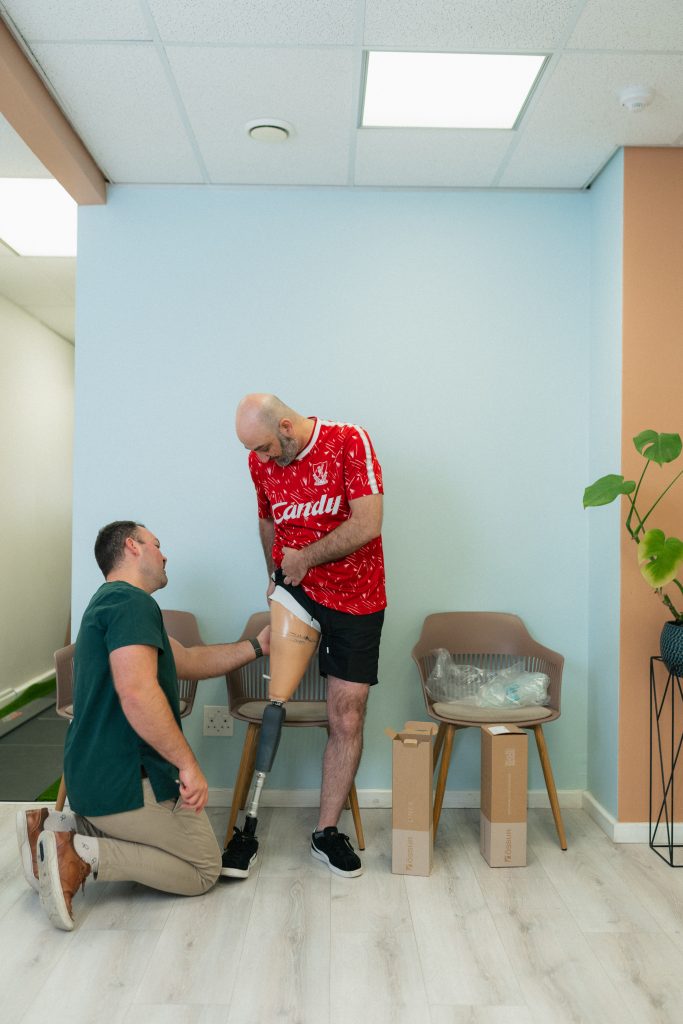
Even after amputation, life doesn’t stop. With advanced prosthetic technology such as below-knee prostheses, direct socket systems, and microprocessor-controlled knees, many of our diabetic patients return to walking, working, and living actively again.
Our team takes a multidisciplinary approach, collaborating with surgeons, podiatrists, physiotherapists, and diabetic care specialists to ensure each patient receives holistic care tailored to their goals and abilities.
Why Choose Oswald Gibson for Diabetic Orthotic or Prosthetic Care?
Our team combines years of clinical experience with the latest technology to help diabetic patients regain mobility and confidence.
If you’re managing diabetic foot complications, or you’re adjusting to life after amputation, we’re here to offer personalised care every step of the way. We work closely with doctors, physiotherapists, and wound care specialists to ensure a seamless and supportive recovery process.
Proudly based in Cape Town, we’ve become a trusted name in diabetic prosthetic care, offering both preventive and rehabilitative solutions designed for comfort, stability, and independence.

Testimonials
What our patients say
Comprehensive Care, Every Step of the Way
At Oswald Gibson Orthotics & Prosthetics, every diabetic limb care journey begins with understanding your unique needs. From your first consultation to your final fitting, our process is designed to ensure comfort, precision, and confidence.
Here’s What to Expect:
Assessment & Consultation:
A thorough evaluation of your condition, circulation, and mobility level. We also discuss your lifestyle and goals to tailor your care plan.
Custom Design & Fabrication:
Using advanced 3D scanning and CAD/CAM design, we create your custom orthotic or prosthetic solution for an exact fit.
Fitting & Alignment:
Your device is carefully fitted and adjusted to maximise comfort, function, and balance- ensuring even pressure distribution and stability.
Education & Guidance:
We take time to educate you on proper care, wear, and maintenance to protect your limbs and prolong device life.
Follow-Up & Aftercare:
Routine reviews allow us to fine-tune your device and monitor your ongoing progress for optimal outcomes.
Frequently asked questions
What is diabetic foot care?
Diabetic foot care involves preventing, diagnosing, and managing foot complications caused by diabetes. People with diabetes are more prone to infections, ulcers, and circulation problems that can lead to amputation. Regular foot exams and custom diabetic orthotics help prevent serious complications.
How does diabetes cause foot and leg problems?
Over time, high blood sugar levels can damage nerves and blood vessels, leading to diabetic neuropathy and poor circulation. This makes it harder for the feet to heal from minor cuts or pressure, increasing the risk of ulcers and infection.
What is a diabetic foot ulcer?
A diabetic foot ulcer is an open sore or wound that usually occurs under the big toe or on the ball of the foot. These ulcers can become infected and lead to severe complications if not treated by a foot specialist or orthotist.
When should I see a doctor for diabetic foot pain or swelling?
Seek immediate medical help if you notice redness, swelling, warmth, drainage, or a sore that doesn’t heal. Early treatment can prevent infection and amputation.
How can orthotics help people with diabetes?
Custom diabetic orthotics are special shoe inserts that relieve pressure, improve foot alignment, and prevent ulcers. They’re made to fit your feet precisely, helping distribute weight evenly and protect sensitive areas.
What kind of shoes should diabetics wear?
Diabetic shoes are designed with extra depth, no internal seams, and cushioned insoles. They reduce friction and protect your feet from pressure injuries. Always wear socks and never go barefoot.
Can prosthetic legs help after a diabetic amputation?
Yes. Modern below-knee and above-knee prosthetic legs allow diabetic amputees to regain independence and mobility. At Oswald Gibson Orthotics & Prosthetics, we design lightweight, comfortable prosthetics that support long-term rehabilitation.
How long after amputation can I get fitted for a prosthetic leg?
Once your residual limb is healed and swelling has stabilised — typically after 6–12 weeks — a prosthetist can begin fitting you for a custom prosthetic leg.
What are the different types of prosthetic legs for diabetics?
Options include transtibial (below-knee) and transfemoral (above-knee) prosthetics. Some patients may benefit from microprocessor-controlled knees for advanced stability and mobility.
How much does a prosthetic leg cost in South Africa?
Costs vary depending on materials and technology. While prosthetic limbs in South Africa can be expensive, we help patients explore funding support or phased rehabilitation plans.
Are diabetic prosthetics and orthotics covered by medical aid?
Some medical aids contribute toward orthotic and prosthetic devices, but coverage depends on your plan. We can assist with quotes and supporting documentation for claims.
How do I care for my feet if I have diabetes?
Check your feet daily, keep them clean and dry, moisturise dry skin, and wear well-fitted orthotic shoes. Schedule regular check-ups with a podiatrist or orthotist to detect early changes.
What is diabetic neuropathy, and how is it managed?
Diabetic neuropathy is nerve damage that causes numbness or burning sensations in your feet. Proper footwear, custom orthotics, and blood sugar management can prevent further damage.
Can a brace or orthosis help with diabetic complications?
Yes. Orthotic braces like ankle-foot orthoses (AFOs) can help improve balance, prevent falls, and protect weak limbs from pressure and injury.
Where can I find diabetic foot and prosthetic care near me in Cape Town?
You can visit Oswald Gibson Orthotics & Prosthetics, conveniently located at Constantiaberg Mediclinic, with additional practices in Fish Hoek and Simon’s Town. We specialise in diabetic limb care, orthotic support, and custom prosthetic fittings for patients across South Africa.