Empowering Young Lives: Paediatric Orthotics Services

Our paediatric orthotics services are designed with a child’s comfort and development in mind, ensuring every device supports not just physical mobility but also their overall well-being and confidence. We work closely with families to tailor solutions that help young patients live more actively and joyfully.

Have Questions?

Common Conditions We Treat

Our paediatric orthotics services are designed with a child’s comfort and development in mind, ensuring every device supports not just physical mobility but also their overall well-being and confidence. We work closely with families to tailor solutions that help young patients live more actively and joyfully.

Plagiocephaly

Often referred to as "flat head syndrome," plagiocephaly occurs when a baby's head develops a flattened appearance. This is typically treated with a custom-made helmet that helps shape the skull as it grows.

Cerebral Palsy

A condition that affects muscle tone, movement, and motor skills. It can cause stiff muscles, uncontrollable movements, and poor balance and coordination. Orthotic devices help improve mobility and support muscle function, aiding in daily activities and development.

Genu Varum (Bowlegs) and Genu Valgum (Knock Knees)

Conditions where there is an abnormal curvature of the legs. Genu Varum causes the legs to bow outward, while Genu Valgum causes the legs to turn inward at the knees. Both conditions are common in young children and can be corrected with specialised orthotic braces that guide the legs into a more natural alignment as they grow.

Pes Planus (Flat Feet)

A common condition where the arches of the feet flatten out, often leading to pain and issues with walking or standing. Custom orthotic insoles are designed to support the arches and distribute pressure more evenly across the feet, enhancing comfort and stability during physical activities.

Club Foot

A birth defect where one or both feet are rotated inward and downward. The condition is treated with special braces and techniques that gradually correct the foot's position, often starting soon after birth.

Spina Bifida

A birth defect where there is incomplete closing of the backbone and membranes around the spinal cord. Supports and braces are used to stabilise the body and enhance movement, helping to manage symptoms and improve mobility.

Metatarsus Adductus

A common foot deformity where the front of the foot is turned inward. Tailored orthotic treatments help correct the positioning of the foot, often involving special shoes or braces.

Severs and Osgood-Schlatter Disease (Growing Pains)

Severs disease causes pain in the heel due to inflammation of the growth plate, common in active children. Osgood-Schlatter disease leads to knee pain from stress on the upper tibia below the kneecap. Both are treated with braces that support the affected area and reduce pain during activities.

Congenital Hip Dysplasia

A condition where the hip joint hasn't formed properly. Early treatment often involves wearing a harness or brace to help the hip joint develop correctly and ensure proper alignment as the child grows.

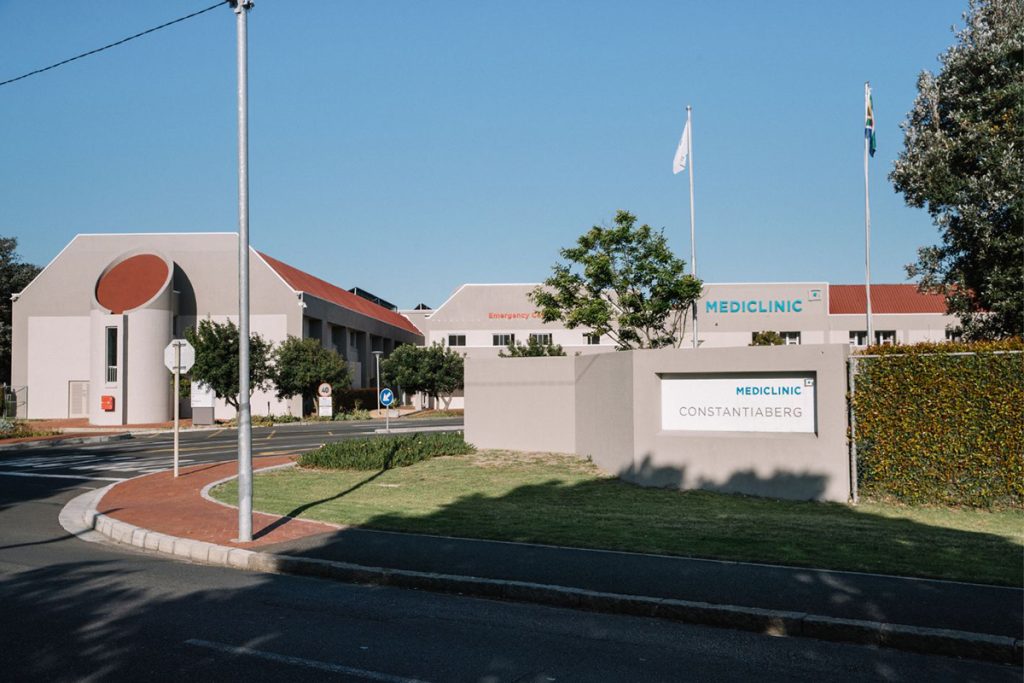
Caring For Your Little Ones at Constantiaberg Emergency

Cape Orthotics and Prosthetics applies thousands of casts and orthotic devices every year on children and young adults who encounter sporting or other injuries. We consult, manufacture and implement all the braces, casts and orthotic devices for the Constantiaberg Mediclinic Emergency Room.

Our Approach to Younger Patients

Working with younger patients demands expertise, patience, and compassion. We are dedicated to delivering child-friendly, holistic care that addresses both the physical and emotional needs of our young patients. In our welcoming environment, children and their families find reassurance and support. Our specialists use gentle, child-specific techniques and devices to ensure comfort and effectiveness. We engage in clear communication with children and their caregivers, making every step of the treatment clear and collaborative. Our aim is to boost the confidence and quality of life of our young patients, while supporting their families throughout their journey with us.

Our process involves:

Detailed Assessments:

A comprehensive assessment is done to understand their unique physical and functional needs. This meticulous evaluation ensures that every aspect of the child's condition is considered, forming the basis for a tailored treatment plan.
Custom Designs:

Our orthotic and prosthetic solutions are custom-designed to fit precisely. Our commitment to precision ensures that each device not only meets the therapeutic needs of the child but also maximises comfort and mobility, making daily activities easier.

Patient-Centered Care

Family-Centric Care:

Our approach includes in-depth discussions with family members to ensure they understand the treatment plan and are fully involved in the care process. This collaborative approach helps us create a support system that nurtures the child’s development and well-being.
Ongoing Support:

As children grow, their orthotic and prosthetic needs evolve. We provide ongoing support with adjustments to accommodate their growth, ensuring optimal functionality of their devices. This helps prevent complications and promotes an active, healthy lifestyle.

Foot orthosis

Early Intervention for Healthy Development

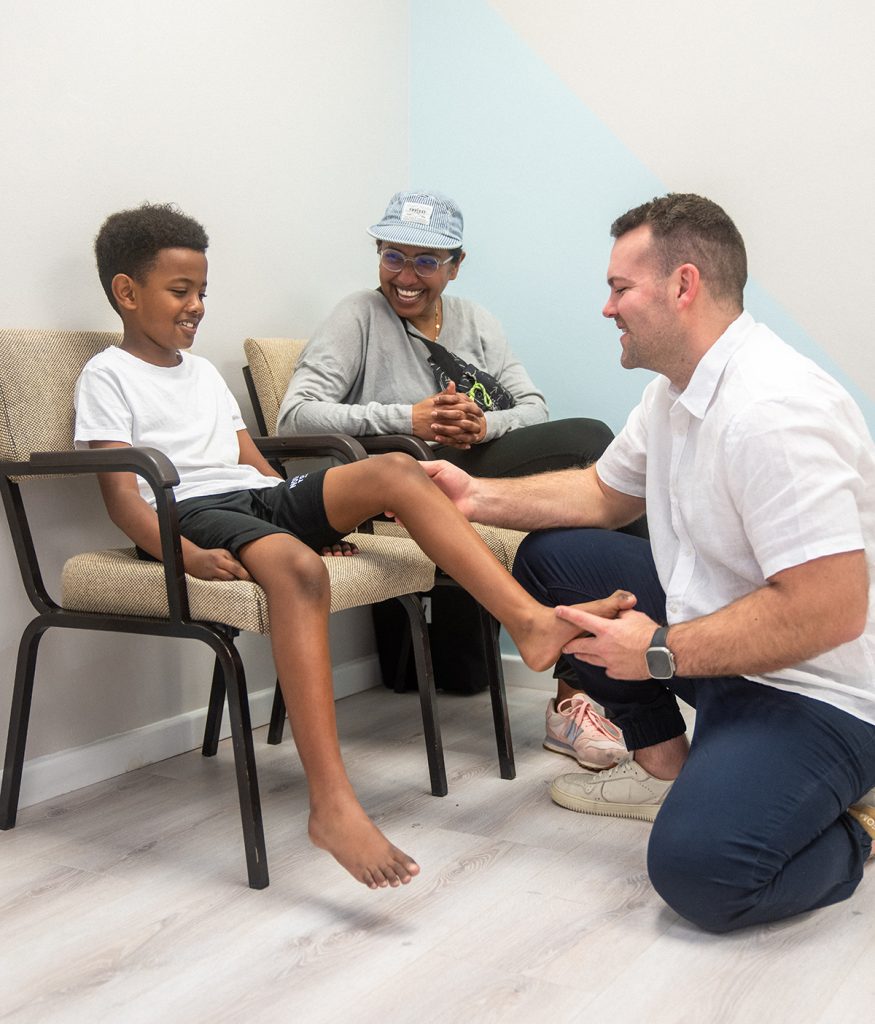
Foot orthoses play a crucial role in the healthy development of children, particularly those with flat feet or high arches. Providing support from an early age is essential to prevent potential complications and ensure proper foot alignment as children grow. Orthotic devices are designed to support the natural arch of the foot, redistribute pressure evenly, and correct any abnormal walking patterns.

Supporting Active Youngsters

For children involved in sports, the right orthotic support is even more critical. Sports activities can put additional strain on developing feet, and without proper support, children are at a higher risk of injuries and long-term issues such as joint pain or back problems. Custom foot orthoses help absorb shock, reduce stress on the lower limbs, and maintain proper alignment, allowing young athletes to perform their best while protecting their development.
Our Technology

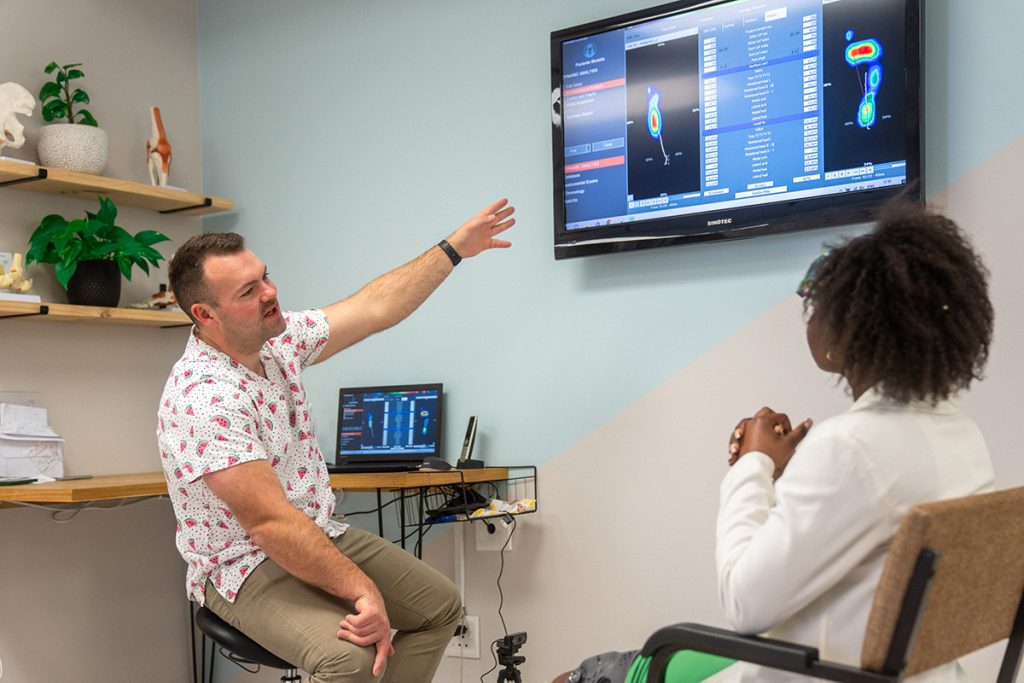
We uphold the highest standards of care with state-of-the-art technology that enhances both accuracy and patient outcomes.

Our facilities include Podo-Barometric Sensor Plates for detailed foot pressure analysis, advanced 3D scanning for precise digital modelling, and biomechanical software for comprehensive joint functionality assessments.
Our CAD/CAM fabrication ensures meticulously tailored orthotic and prosthetic solutions.

Additionally, our gait training facilities simulate real-life scenarios, aiding patients in adapting to their prosthetics, thus improving mobility and confidence.

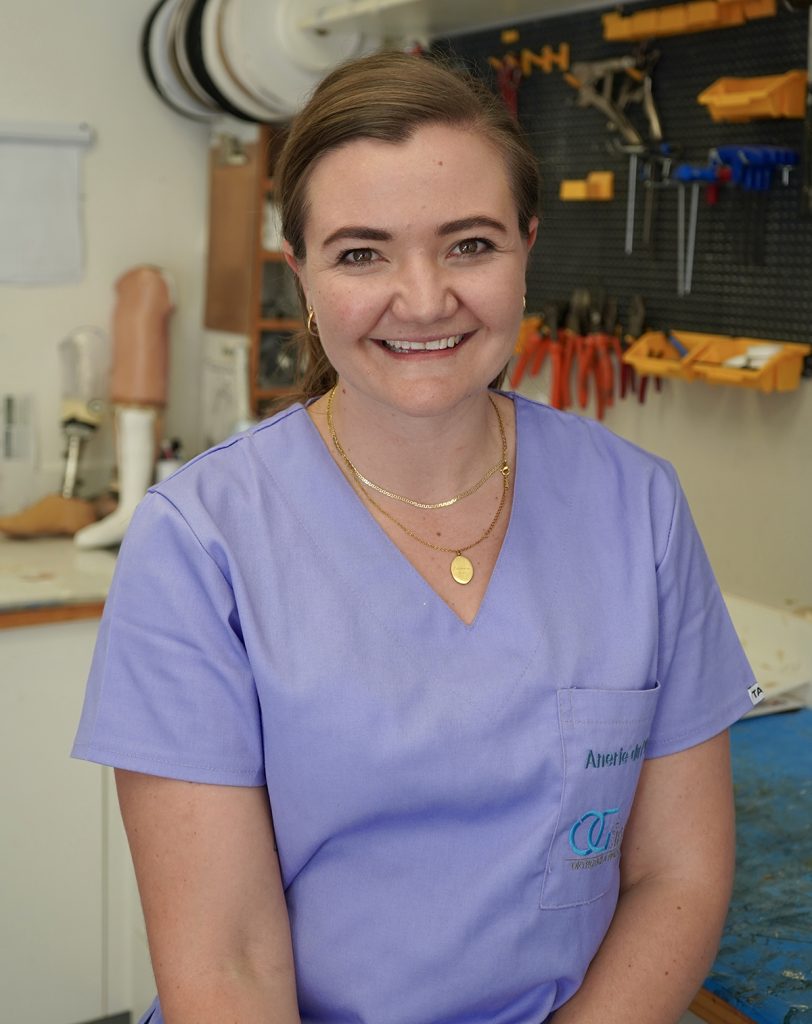
Anerie du Plessis: Specialist in Paediatric Orthotics

Anerie du Plessis is a dedicated and proficient Qualified Medical Orthotist Prosthetist at Oswald Gibson Orthotics and Prosthetics. With a deep passion for paediatric care, she specialises in providing orthotic solutions tailored to the unique needs of children. Anerie’s expertise shines in her work with children with cerebral palsy—a condition she is particularly drawn to due to its complex nature and the profound impact that the proper support can have on a child’s life.

Her approach to treating cerebral palsy is comprehensive, focusing on enhancing physical mobility while also considering the psychological and social aspects of her young patients’ needs. Anerie utilises state-of-the-art technology to design and fit braces and create personalised prosthetics that support the physical requirements and promote greater independence and self-confidence among her patients.

Anerie’s commitment extends beyond mere treatment; she aims to empower children and their families through education and ongoing support, ensuring that each child can reach their potential and lead a more active, fulfilled life.
Testimonials

Hear from our patients

Frequently asked questions

Paediatric orthotics are specialised devices designed to support a child’s mobility, posture, and overall development. They range from baby orthotics for early intervention to pediatric orthotic bracing for children with neurological and musculoskeletal conditions. These devices provide support, stability, and alignment to help children walk, run, and move more comfortably.
If you’re searching for a pediatric orthotist, Oswald Gibson Orthotics & Prosthetics provides expert children’s orthotics in Cape Town. We offer custom solutions for babies, toddlers, and children at our locations in Constantiaberg Mediclinic, Simon’s Town, and Fish Hoek.
If your child has flat feet, paediatric orthotics such as custom arch support insoles can improve foot alignment and prevent discomfort. Orthotics for toddlers with flat feet help distribute weight properly and support natural foot development as they grow.
Yes! Toe walking is common in young children, but if it persists, it may require treatment. Paediatric orthotic bracing helps gently encourage a normal heel-to-toe walking pattern, preventing long-term muscle tightness and balance issues.
Children who trip often or have poor balance may benefit from custom orthotics that provide better stability and support. Pediatric orthotic bracing can help strengthen their posture, improve coordination, and reduce the risk of falls.
If one leg is shorter than the other, paediatric orthotics such as custom shoe lifts or insoles can correct the imbalance. This helps improve walking comfort, prevents hip and knee strain, and promotes even growth.
Cerebral palsy orthotics provide essential support for children with muscle stiffness, weakness, and coordination difficulties. Custom braces, ankle-foot orthoses (AFOs), and other paediatric orthotic bracing options help improve mobility, alignment, and independence.
Yes! Baby orthotics like cranial helmets are used to gently reshape an infant’s skull. Early treatment is crucial to ensure proper head development as they grow.
Children with clubfoot often require specialised pediatric orthotic bracing to gradually correct the foot’s position. Treatment usually starts shortly after birth to achieve the best results.
Yes! Paediatric orthotic bracing for Osgood-Schlatter disease provides knee support, reduces pain, and prevents excessive stress on the growing bones and joints.
Children experiencing heel pain from Severs disease can benefit from custom orthotics for children that cushion the heel and relieve pressure on the growth plate.
For congenital hip dysplasia, paediatric orthotic bracing such as hip harnesses and braces help guide the hips into proper alignment, ensuring healthy joint development.
Yes! Paediatric orthotics for spina bifida help support mobility and posture. Braces and orthotic devices provide stability and prevent complications as the child grows.
Yes, children with metatarsus adductus (inward-turning feet) can benefit from baby orthotics and custom bracing to correct foot alignment and improve walking patterns.
If your child has difficulty walking, frequent falls, toe walking, flat feet, foot pain, or leg weakness, consulting a pediatric orthotist is the best way to determine if children’s orthotics can help.
Not necessarily. Many children wear paediatric orthotics temporarily to correct alignment issues and support proper growth. However, some conditions may require long-term orthotic support.
Most orthotics for toddlers and children can be worn in sports shoes, casual sneakers, and some school shoes. We recommend choosing well-fitting shoes that provide enough room for the orthotics.