Supporting Mobility and Movement: Lower Limb Prosthetics
Why Choose Us?
Our Comprehensive Approach to Lower-Limb Rehabilitation
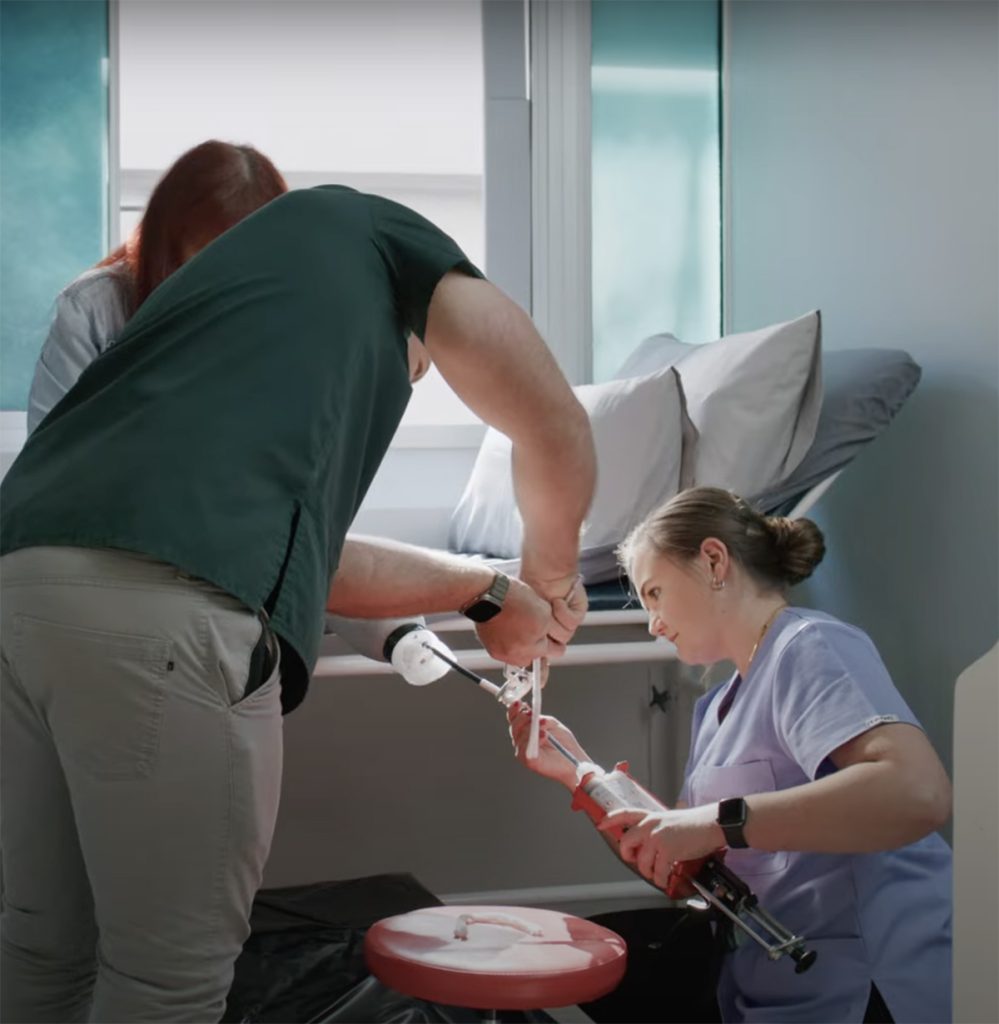
At Oswald Gibson O&P, we believe that lower limb prosthetic rehabilitation is a holistic journey, not just a fitting process. We work closely with surgeons, physiotherapists, and other allied healthcare professionals to support each patient through every stage of their rehabilitation—helping them regain mobility, confidence, and independence.
Every patient’s needs are unique, which is why we prioritise thorough assessments to ensure the best prosthetic solutions. Collaboration with physiotherapists plays a key role in helping amputees regain strength, balance, and function—empowering them to reach their full potential.
We also offer trial fittings of select prosthetic components, ensuring that each patient can make an informed decision that best suits their lifestyle, goals, and budget. We don’t make the decisions for you—we guide, support, and equip you with the knowledge to choose what’s right for you.
What are Lower Limb Prosthetics?
Types of Lower Limb Prosthetics
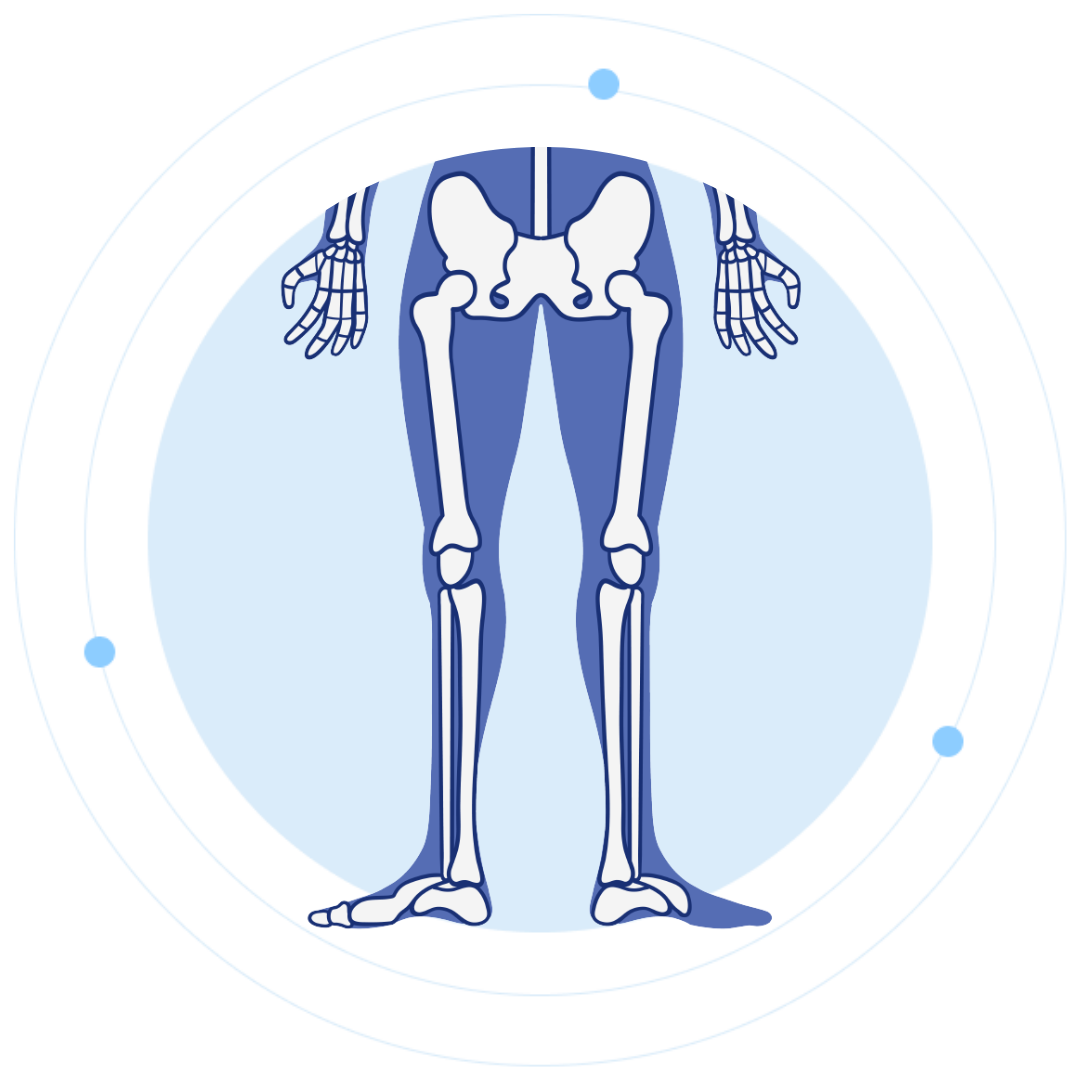
Partial Foot Prosthetics
Designed for those missing part of their foot, these prosthetics help achieve a balanced gait and restore functional movement, focusing on stability and natural motion.
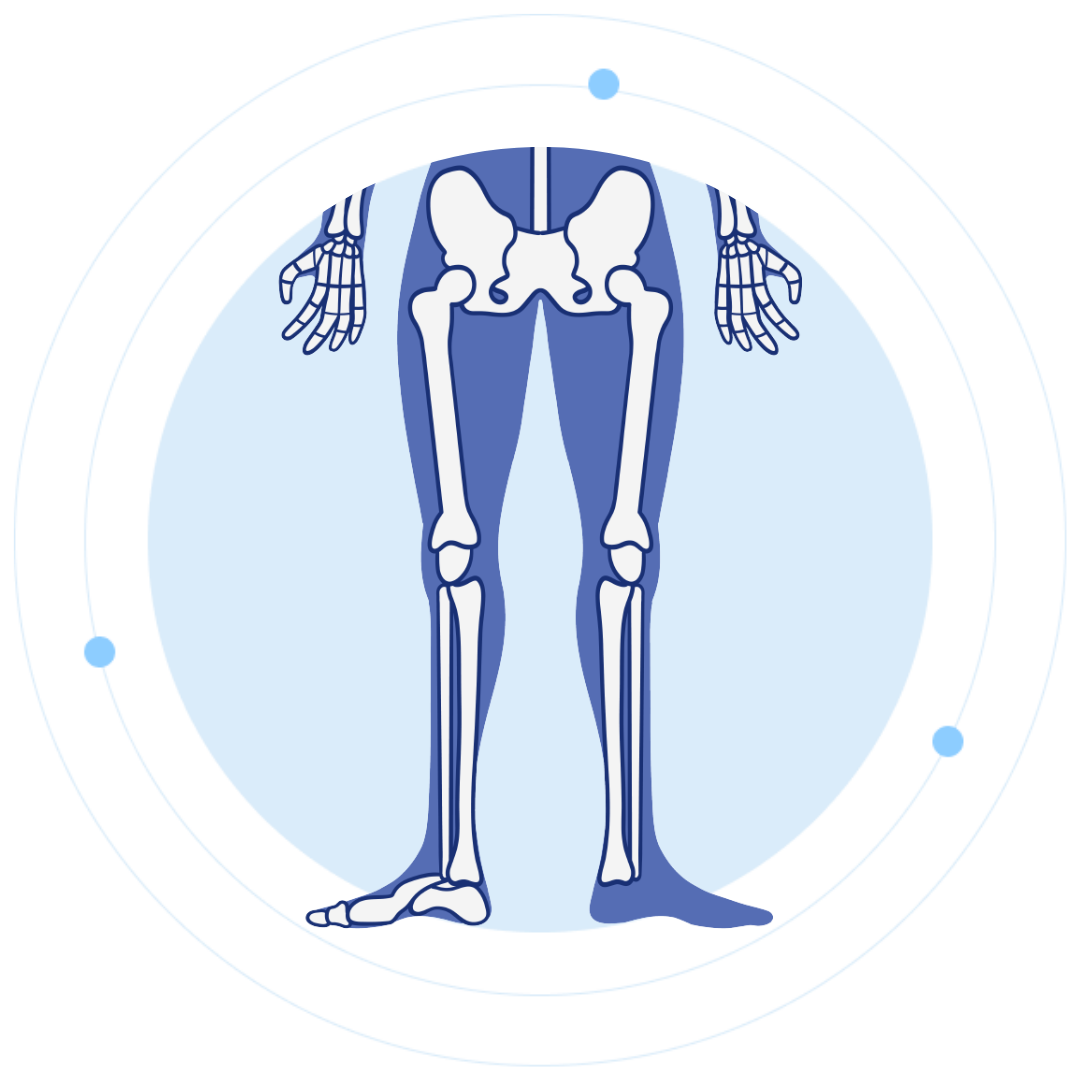
Full Foot Prosthesis (Symes/ Ankle disarticulation)
Complete foot replacements, these prosthetics are crafted to mimic natural foot movements, providing stability and support for daily activities.

Below the Knee Prosthetics (Transtibial):
Tailored for amputations below the knee, these devices offer excellent mobility, comfort and ease of use, enabling efficient energy transfer and movement.
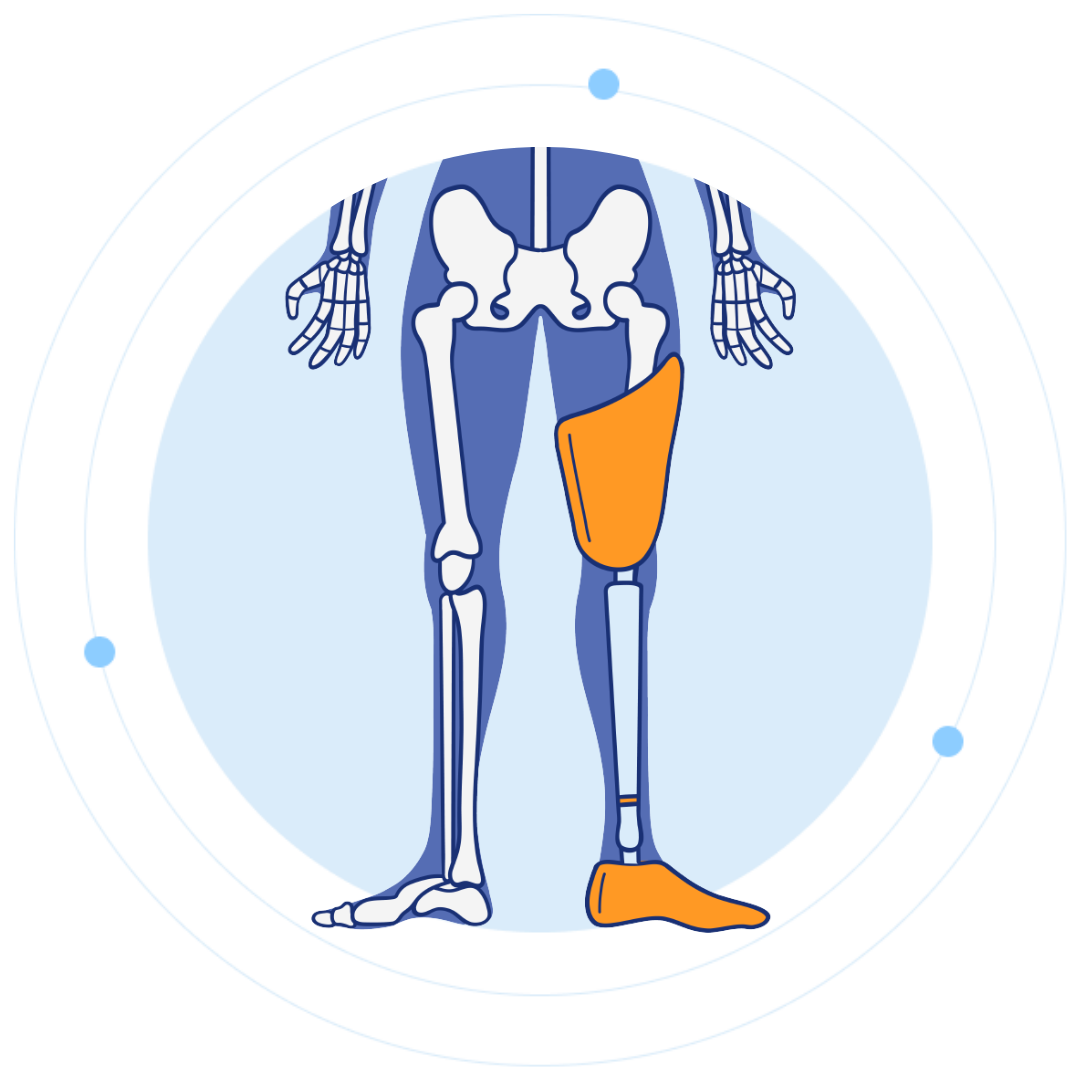
Through Knee Prosthetics
Intended for knee disarticulations, these prosthetics include innovative knee joints that enable a natural range of motion, improving functional independence.

Above the Knee Prosthetics
For those with amputations above the knee, these prosthetics incorporate advanced knee technology designed to optimise balance, control and mobility.
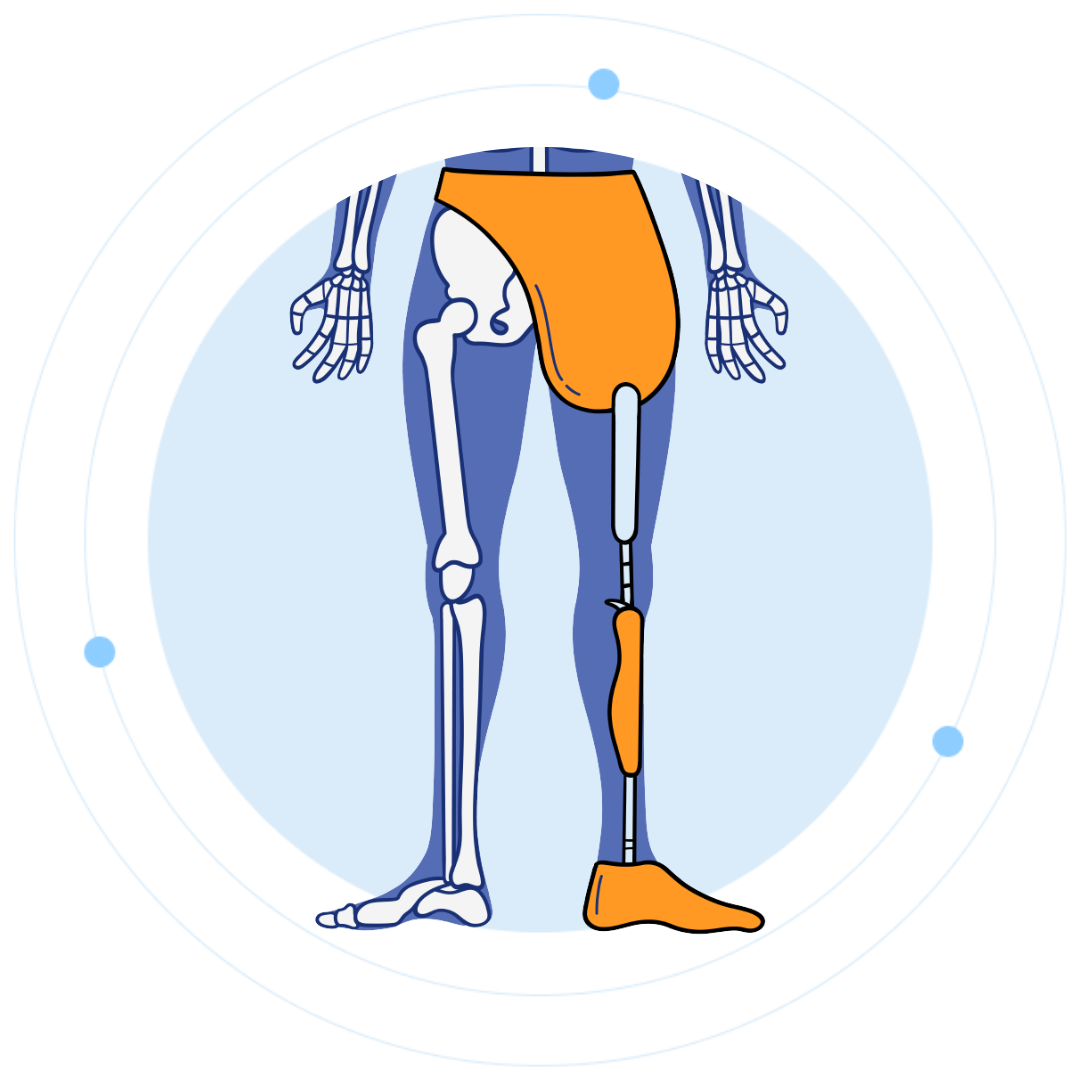
Hip Disarticulation Prosthetics
Custom solutions for hip-level amputations, focusing on stability and lifelike movement, enhancing mobility and comfort for those with higher-level amputations.
What Sets Us Apart
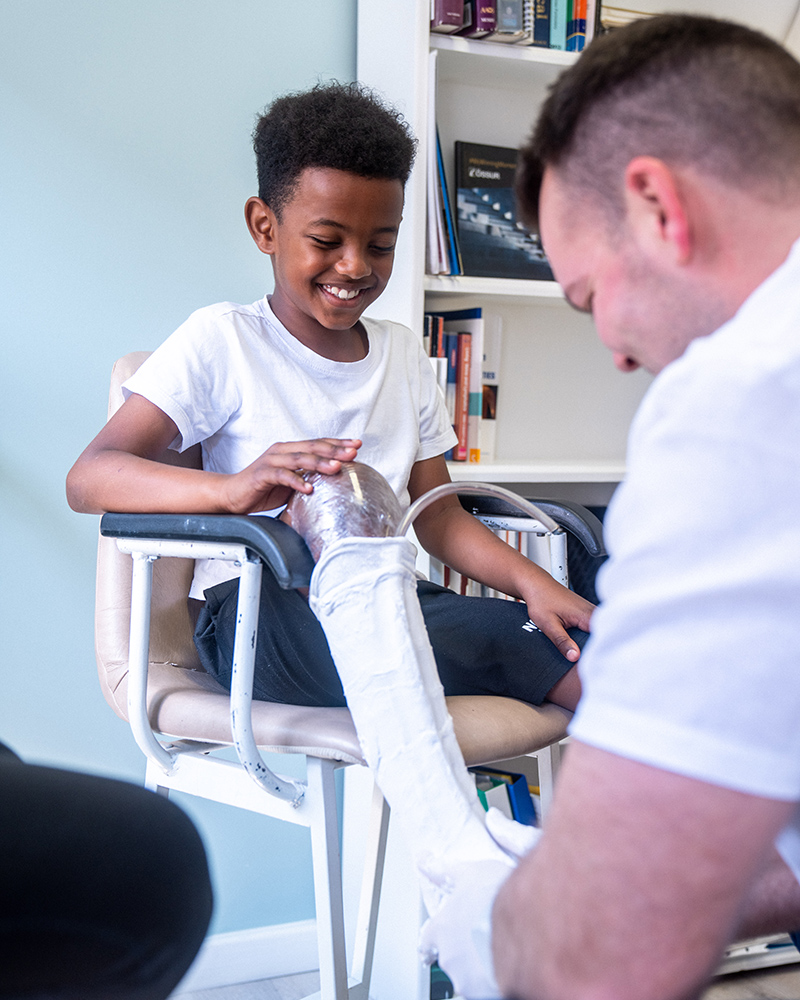
Unmatched Expertise and Personalised Care
Our unwavering dedication to personalised care, decades of experience and cutting-edge prosthetic technology position us to provide the best solutions for each individual’s unique journey.
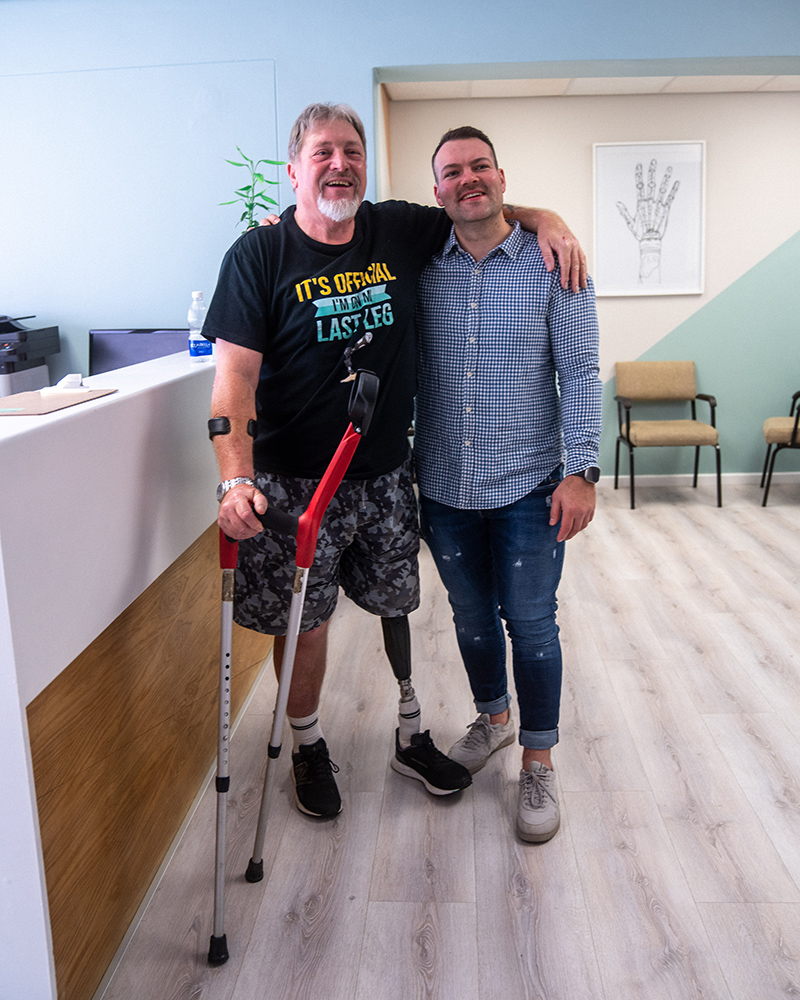
Holistic Approach to Rehabilitation
We believe in a holistic approach to rehabilitation, considering not just the physical aspects of limb loss but the emotional and psychological journey of our patients. We also have close relationships with a wide network of surgeons, physios and allied health professionals. This comprehensive care model ensures that we address all facets of rehabilitation, supporting our patients every step of the way.
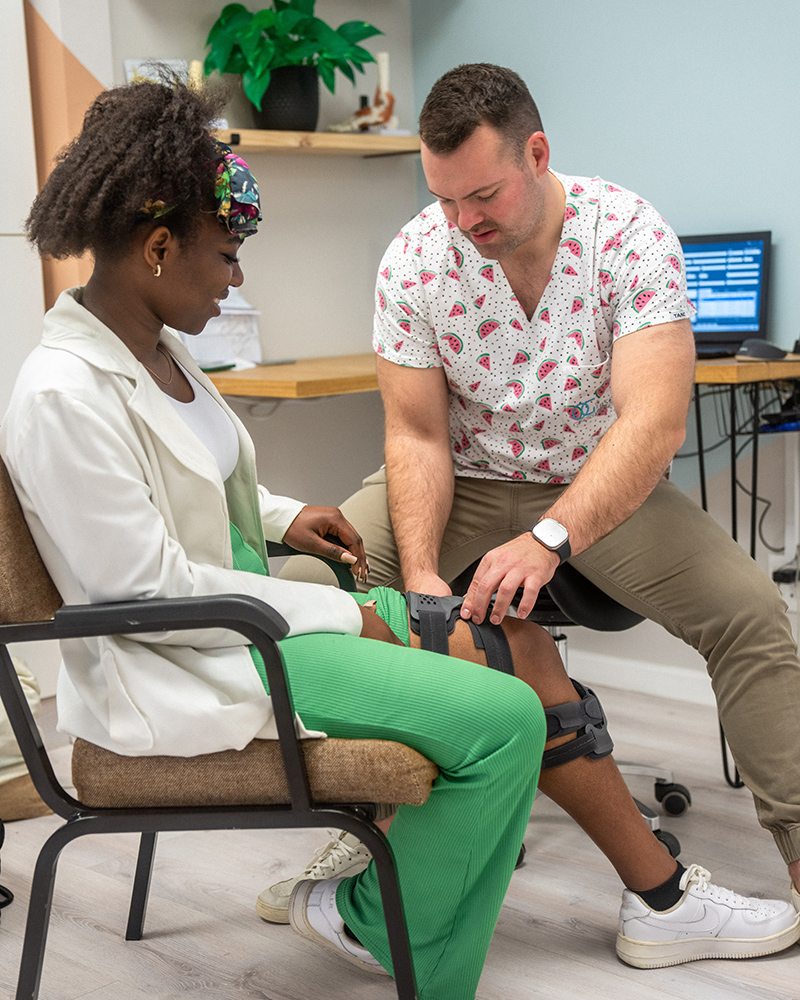
Collaborative Patient-Centred Process
We listen intently to your needs, aspirations and concerns, ensuring that your voice is heard and valued throughout your rehabilitation journey. This partnership between patient and practitioner is fundamental.
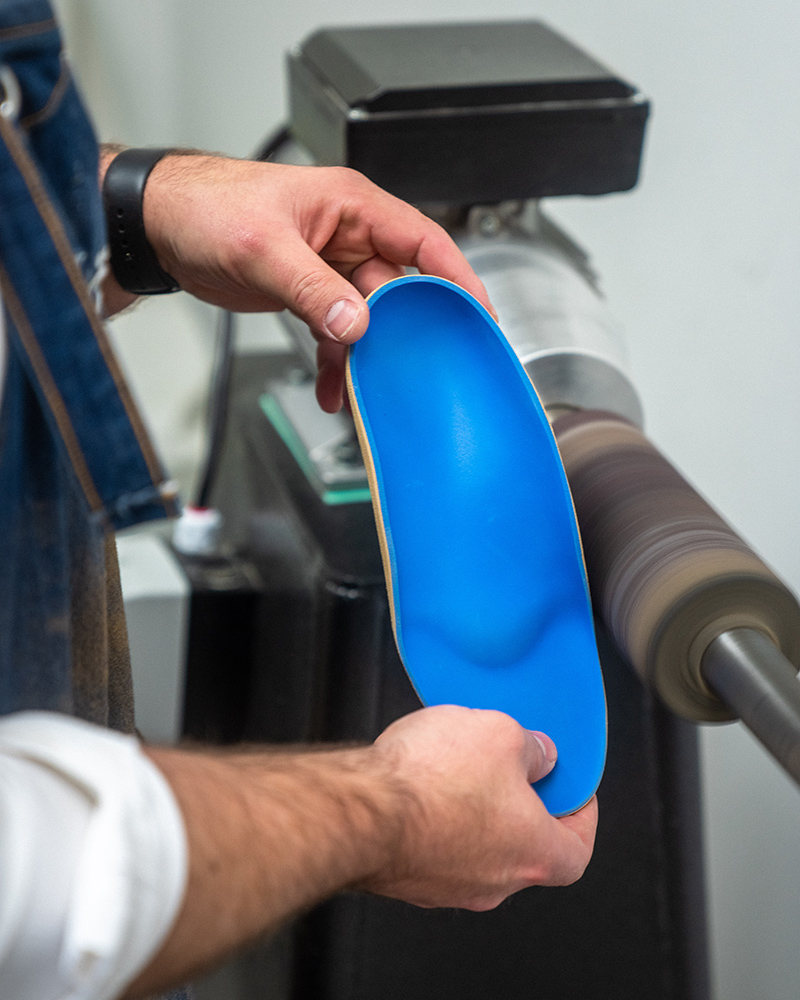
Innovation and Customisation
We harness the latest advancements in prosthetic technology to offer solutions that are not only functional but also tailored to fit the individual lifestyles of our patients. From sports enthusiasts to those seeking everyday comfort and mobility, we provide customised prosthetics that empower our patients to lead active, fulfilling lives.
Lower Limb Prosthetics for Sports
Running
Cycling
Swimming
Hiking and Climbing
Adaptive Team Sports
Weightlifting and Strength Training
Each sports prosthetic is carefully crafted to meet the unique demands of the activity, helping athletes perform confidently and safely.
The materials used—such as carbon fibre and lightweight alloys—are chosen to withstand the demands of sports while providing stability and flexibility. Our sports prosthetics also consider activity-specific factors such as grip, balance and dynamic motion, helping amputees achieve the performance they need to enjoy an active lifestyle.
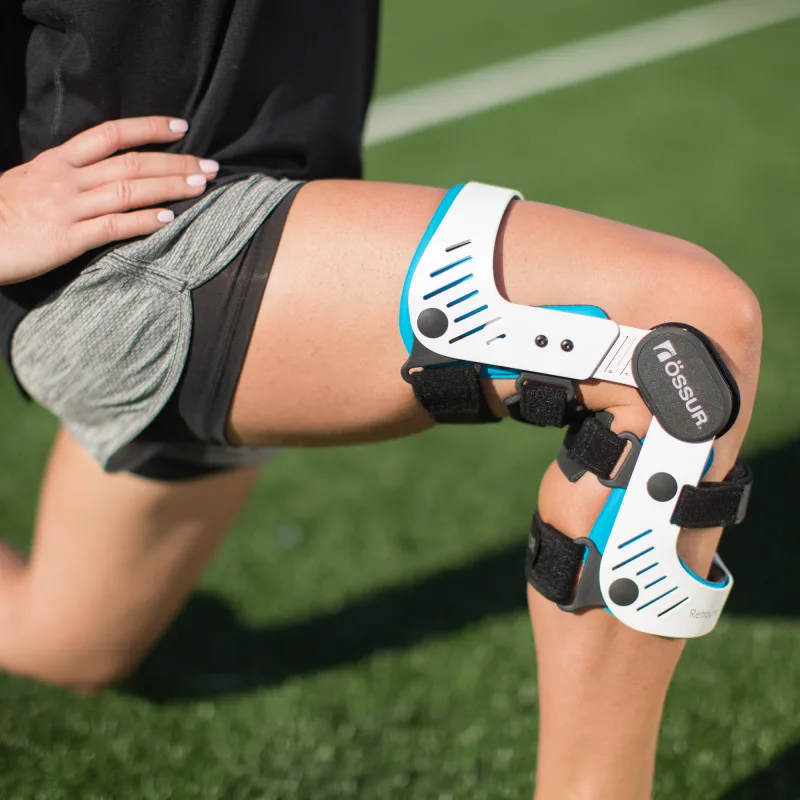
Our partnership with Össur
Our Team
At Oswald Gibson Orthotics & Prosthetics, our team is built on expertise, compassion, and a commitment to delivering exceptional care. Patient-centred care is at the heart of everything we do—we take the time to understand each individual’s needs, ensuring that every solution enhances mobility, comfort, and confidence.
We embrace innovation and excellence, staying at the forefront of orthotics and prosthetics through continuous learning and collaboration. By integrating the latest advancements in technology and research, we provide top-tier treatments that improve lives.
Integrity and trust form the foundation of our practice. We believe in honest, transparent communication and ethical decision-making, always prioritising the best interests of our patients. Our goal is not just to restore movement but to empower every person we work with.
Key Considerations in Choosing a Lower Limb Prosthetic
Comfort and Alignment:
Ensuring the prosthetic aligns with your natural gait and feels comfortable for extended wear is essential to support daily activities.
Lifestyle and Activity Level:
Whether for casual mobility or high-performance activities, the prosthetic should match your needs, with different components suited to various lifestyles.
Material and Durability:
Materials such as titanium and carbon fibre provide strength without compromising on weight, offering support for a range of movements.
Adaptability:
As you gain strength and skill, your prosthetic should adapt. Many of our designs allow adjustments to accommodate changes in physical abilities.

Prosthetic leg price South Africa:
The cost of a prosthetic leg typically includes three main factors.
- Professional fees: The labour involved in designing and assembling the prosthesis, especially if complex adjustments are needed due to residual limb shape or health issues
- Cost of components: The price of specific mechanical components like the prosthetic foot, which varies based on the components recommended by the prosthetist
- Periodic expenses Recurring costs, as adjustments and replacements are necessary over time due to wear and changes in the residual limb, generally every five years.