
Back Braces in Cape Town
Support, Stability and Pain Relief
Custom and off-the-shelf back braces designed to reduce pain, improve posture, support recovery, and help you move with greater confidence.
EXCELLENT Based on 55 reviews
 Posted on Google

 Lynn McgregorDr Gibson has always been professional and combines technical expertise with compassion. this is echoed with his team.Posted on Google
 Peter LaneThe very pleasant manner which Oswald spoke and dealt with me impressed me considerablyPosted on Google
 Joe KramerOswald has again delivered an amazing proficient porfessional service, and thanks to his advice and services I'm walking comfortably again. Keep it up, Oswald.Posted on Google
 Thea BorckenhagenI had a bunion from my Rt foot removed on 6 November 2023.You supplied the excellent boot.Posted on Google
 Margaret Lee
Trustindex verifies that the original source of the review is Google.
I only had 2 visits. 1 to measure sizing and discuss type of knee high travel stockings. Second visit they were fitted. Found Gibdon Orthotics and Prosthetics knowledgeable And very efficientPosted on Google Jacki De KlerkProfessional, friendly, top-class service :-) You guys are AWSOME!!!Posted on Google
 Gordon DuncanI was supplied with a leg brace after a severe knee accident. The brace , whilst not particularly comfortable at the time, did exactly what it was designed to do. I am walking normally again!Posted on Google
 Nic OosthuizenI visited Ozwald Gibson after being diagnosed with osteoarthritis in both feet. From my first visit he was so helpful in explaining everything in layman's terms. He made an orthotic for both feet and advised the type of sneakers and shoes which would benefit me on my way forward. Thank you Oswald you saved me from having painful foot surgery. Kind regardsVerified by TrustindexTrustindex verified badge is the Universal Symbol of Trust. Only the greatest companies can get the verified badge who has a review score above 4.5, based on customer reviews over the past 12 months. Read more
What Are Back Braces?
Back braces or spinal orthoses are orthotic devices designed to support the spine, improve posture, reduce pain, and promote safer movement during recovery and/or everyday activities. They are commonly used to help manage lower back pain, support spinal conditions, assist with rehabilitation after injury or surgery, and provide stability when the muscles and joints of the back need additional support.
Spinal bracing encompasses several anatomical regions, including the cervical (neck), thoracic (upper and middle back), lumbar (lower back) and sacral regions. Orthoses range from flexible lumbar supports and cervical collars to rigid thoracolumbosacral orthoses (TLSOs), custom scoliosis braces and specialised dynamic support systems.
Different designs serve different clinical purposes. Rigid orthoses may use three-point pressure systems or circumferential support to restrict movement and stabilise affected spinal structures. Corrective braces use specifically positioned pressure areas and expansion spaces to influence spinal alignment, while dynamic compression systems may assist with proprioceptive awareness and postural control.
At Cape Orthotics & Prosthetics, we provide individually assessed back braces based on each patient’s diagnosis, anatomy, functional requirements and rehabilitation goals. Our approach focuses on selecting the appropriate level of support while maintaining comfort, safety and the greatest possible functional independence.
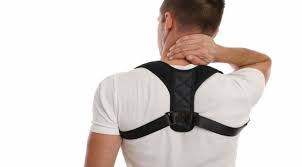
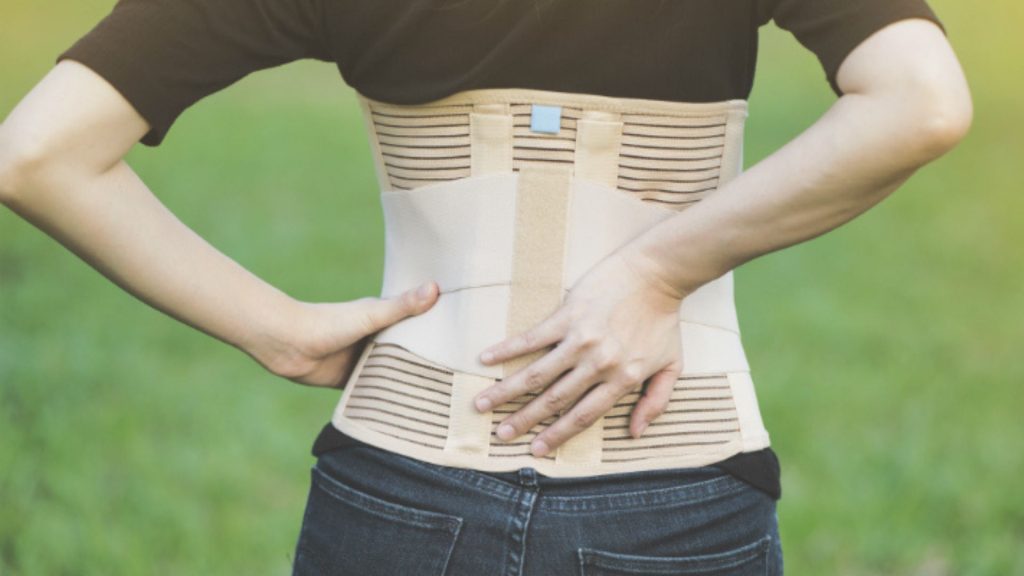
Conditions Treated With Back Braces
Back braces can be an effective treatment option for a wide range of spinal and musculoskeletal conditions. By providing targeted support, improving alignment, and reducing strain on the spine, a properly fitted back brace can help relieve pain, support rehabilitation, and improve everyday function.
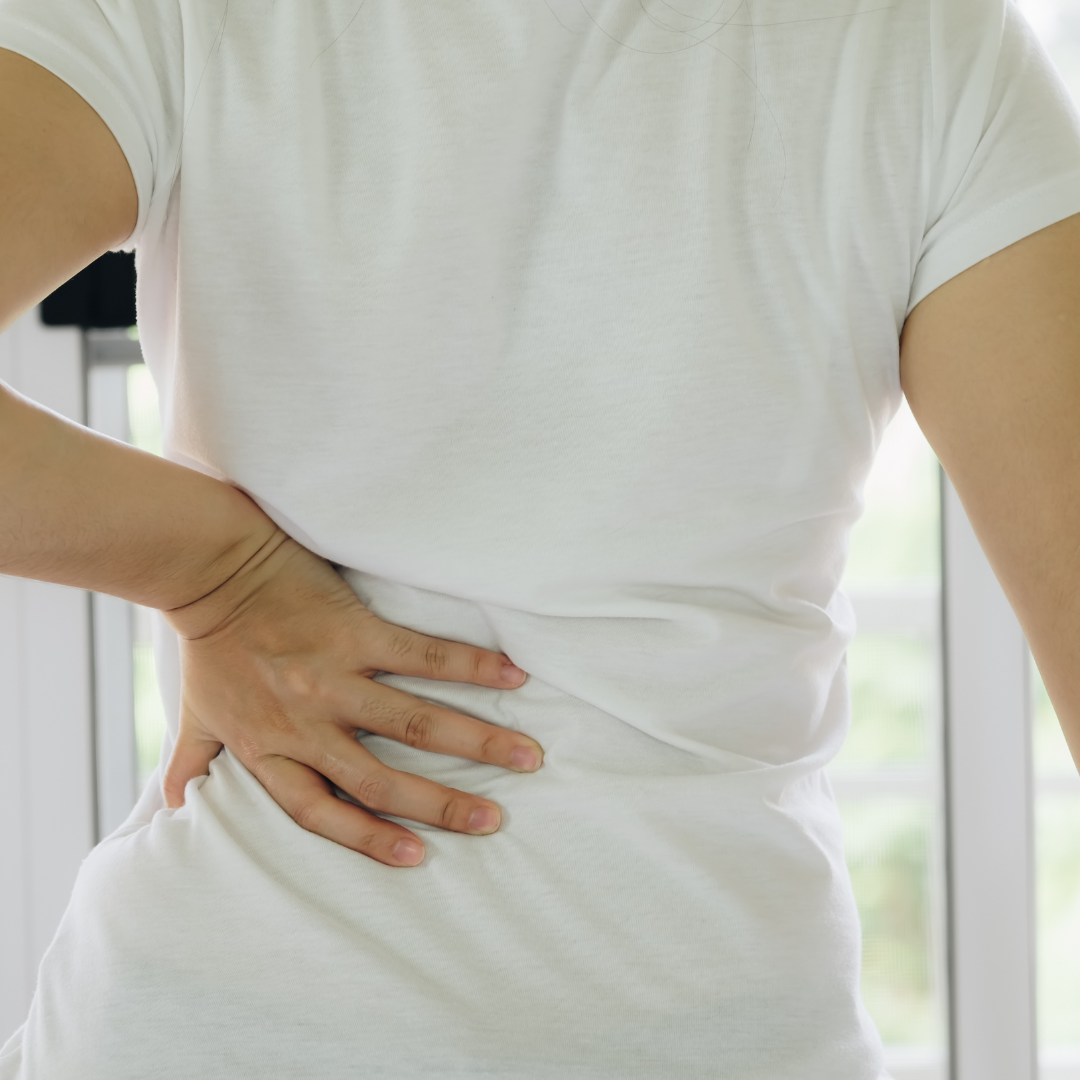
Lower Back Pain and Lumbar Instability
Lumbar and lumbosacral orthoses (LSOs) may provide additional support for selected patients experiencing mechanical lower back pain, muscular strain or symptomatic lumbar instability. Adjustable compression and stabilising components can help improve comfort and functional tolerance during rehabilitation.
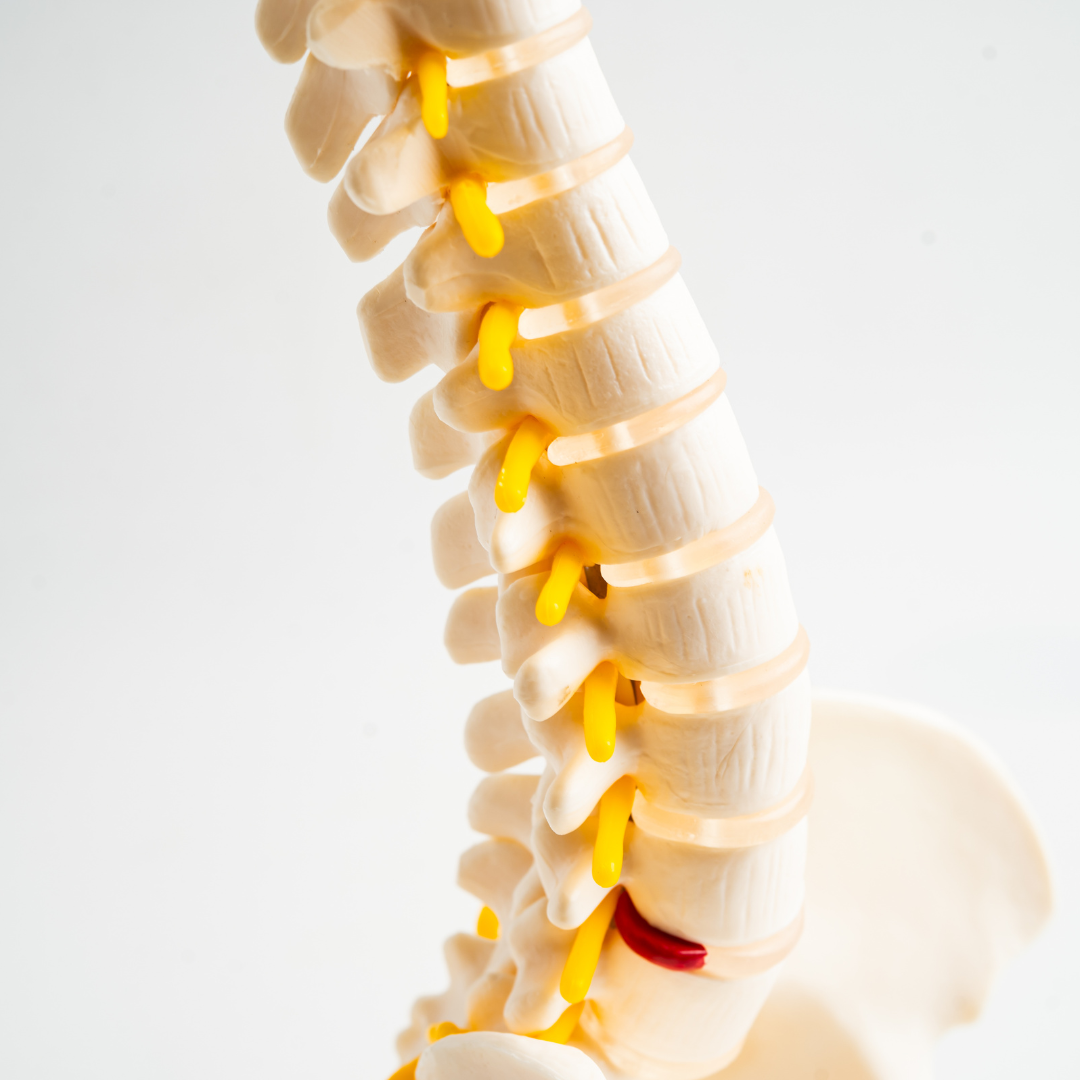
Sciatica and Disc-Related Conditions
Certain lumbar supports may assist with symptom management by reducing aggravating movements and providing external support. Bracing does not directly correct a herniated disc or nerve compression, and its suitability depends on the underlying cause of the symptoms.
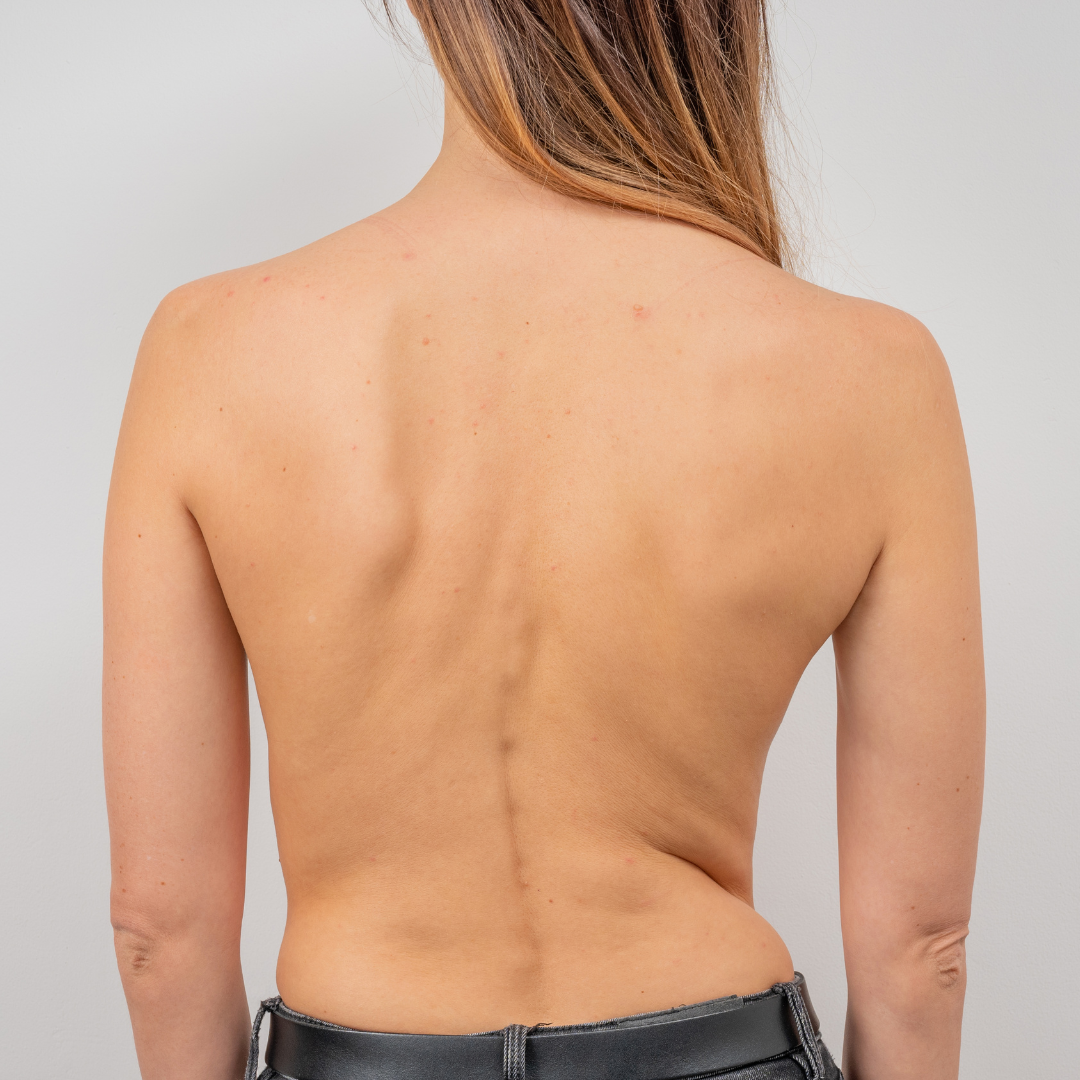
Scoliosis
Scoliosis is a three-dimensional spinal deformity involving lateral curvature and vertebral rotation. Corrective spinal orthoses may help reduce curve progression in skeletally immature patients, while selected adult patients may benefit from support aimed at improving comfort and function.
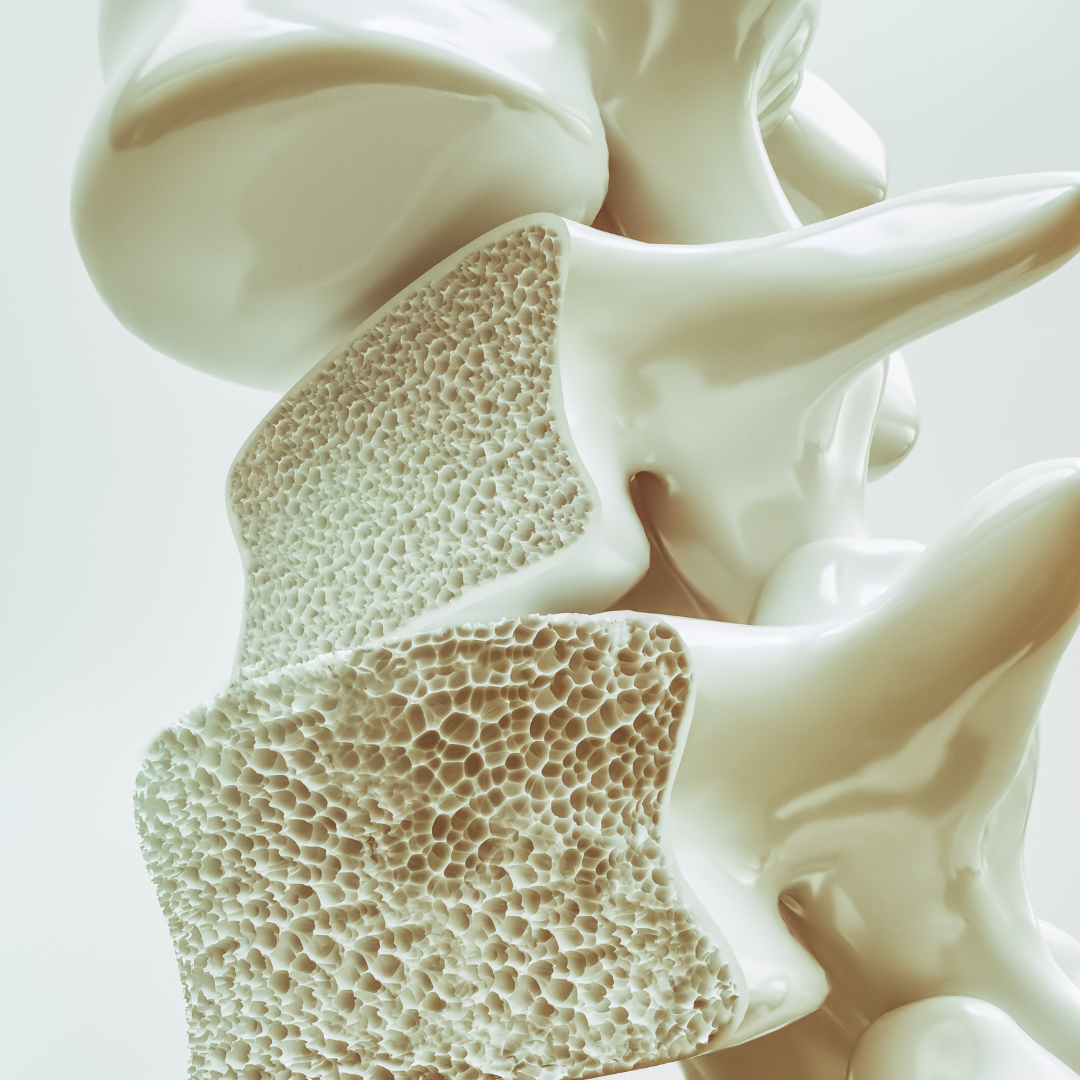
Osteoporosis and Vertebral Compression Fractures
Rigid thoracolumbar orthoses and hyperextension braces may be prescribed for selected stable vertebral fractures. These devices can restrict specific spinal movements, provide external support and assist with protection during the healing process.
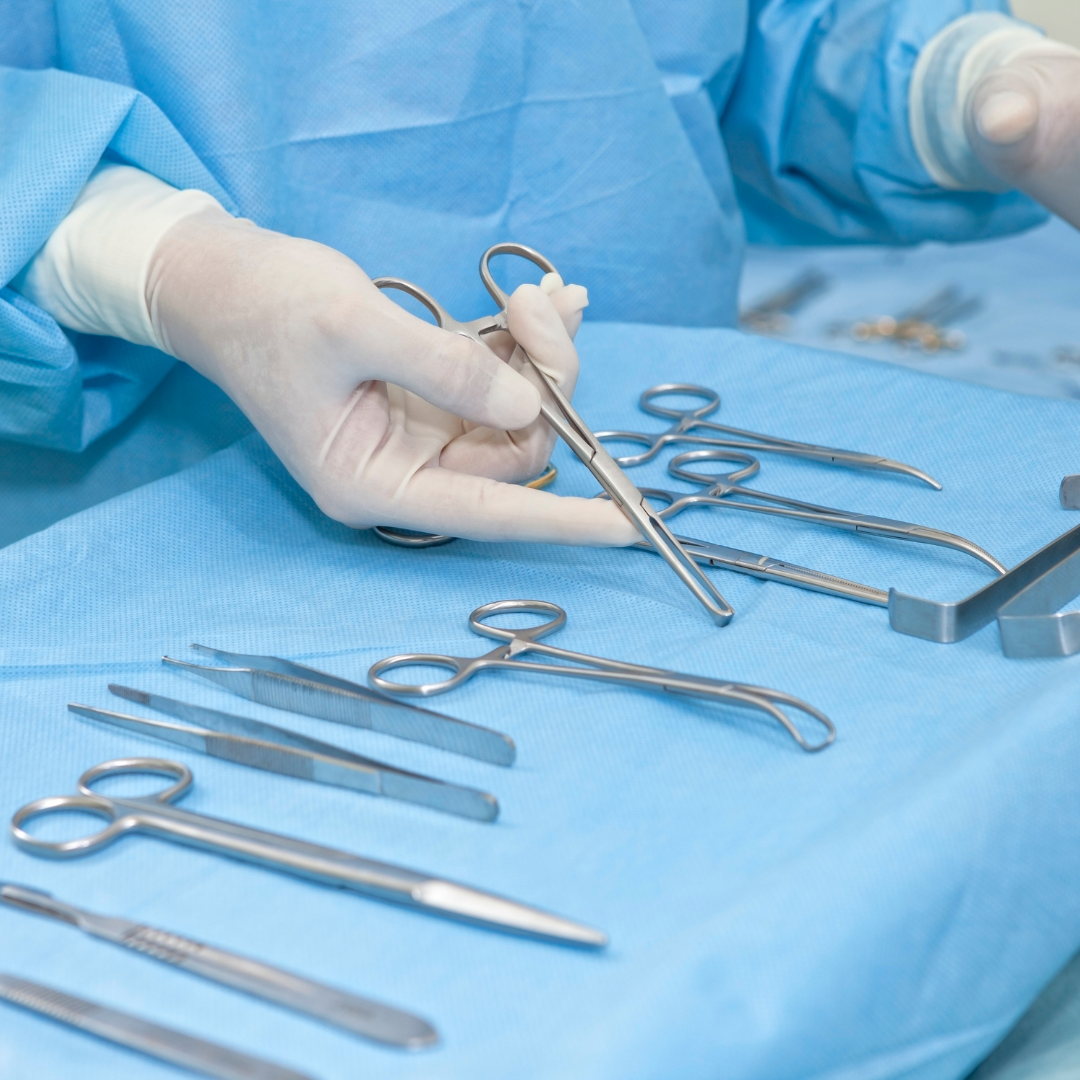
Post-Surgical Spinal Rehabilitation
Following certain spinal procedures, an orthosis may be prescribed to restrict movement or provide additional support during recovery. The type and duration of bracing depend on the surgical procedure, spinal stability and treating surgeon's protocol.
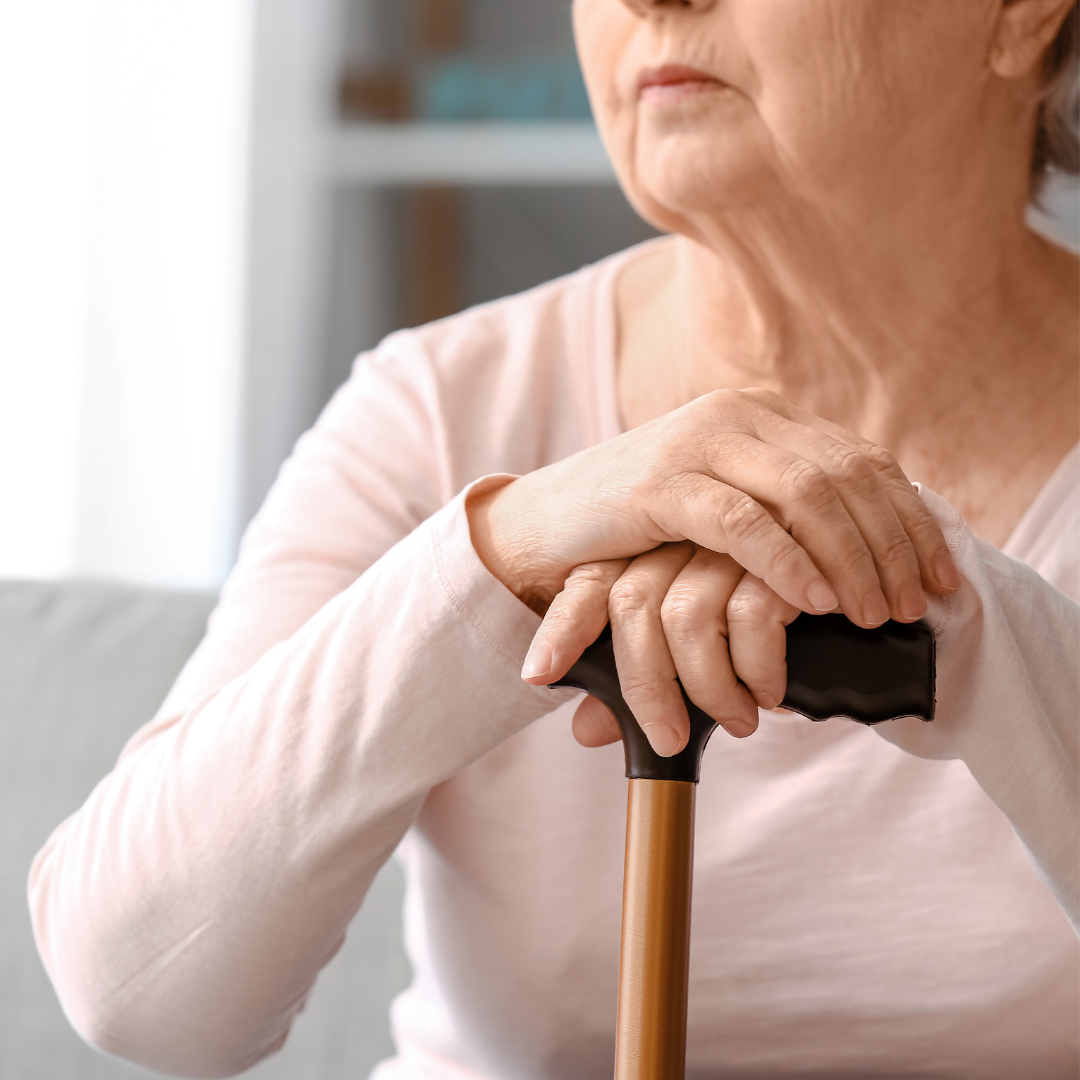
Degenerative Spinal Conditions
Patients with degenerative disc disease, spinal osteoarthritis or other age-related spinal changes may benefit from appropriately selected external support where symptoms or functional limitations justify its use.
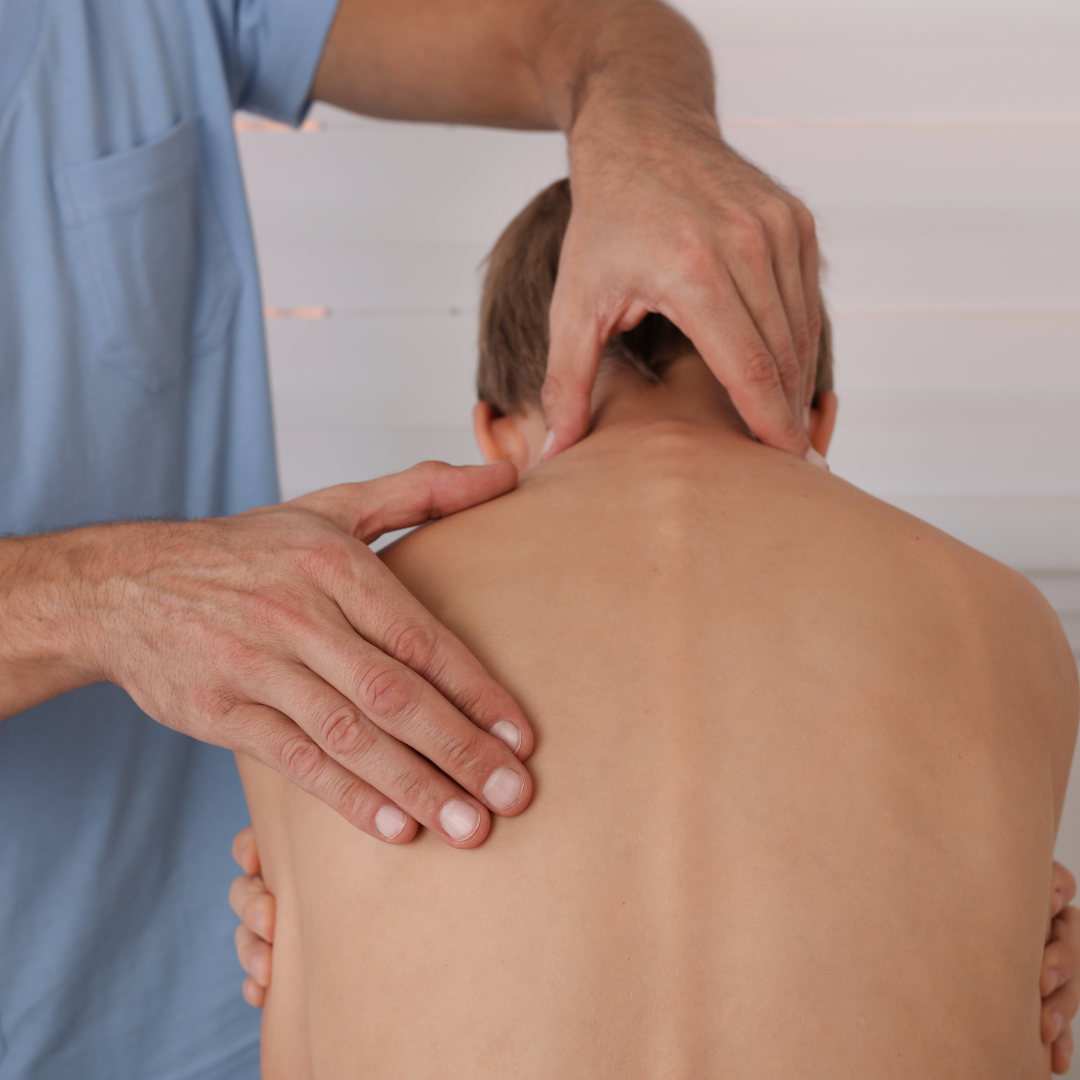
Kyphosis and Postural Deformities
Thoracic extension orthoses and selected postural support systems may assist patients with excessive thoracic kyphosis, postural fatigue or specific structural deformities. Treatment aims depend on whether the condition is flexible, structural or associated with vertebral changes.
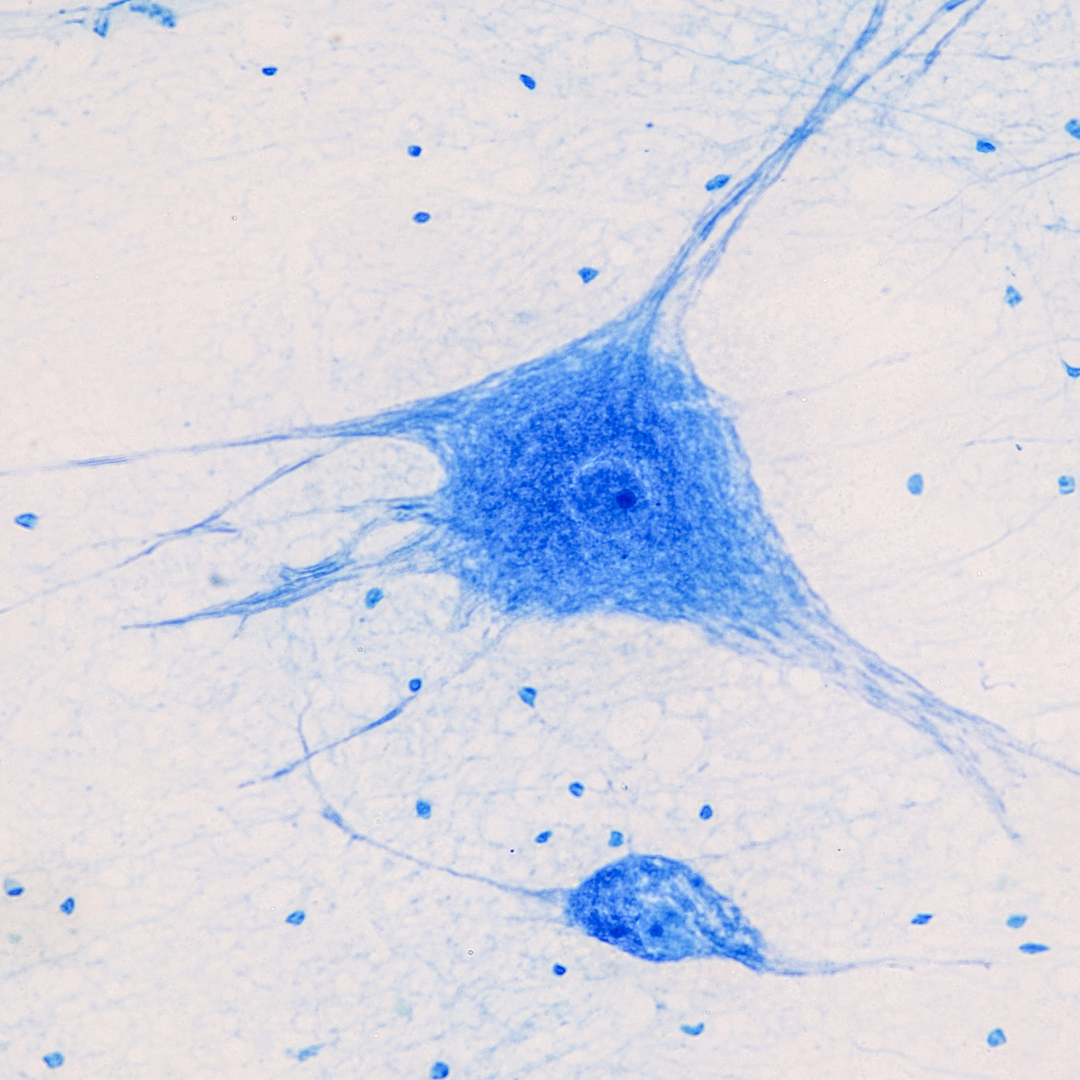
Neurological and Neuromuscular Conditions
Individuals with impaired trunk control, muscular weakness or neurological conditions may require specialised spinal or dynamic compression orthoses to assist with positioning, postural stability and functional activities as part of a broader rehabilitation programme.
Meet Oswald Gibson
Experience You Can Trust in Orthotic Rehabilitation
With over a decade of clinical experience, Oswald Gibson is the heart of the practice. After graduating with honours in Orthotic and Prosthetic Technology, he spent seven years at Sandton Mediclinic before relocating to Cape Town to lead the Constantiaberg practice.
Oswald has a special interest in orthotic rehabilitation and helping individuals overcome pain, injury, and mobility challenges through personalised support solutions. Whether fitting a custom back brace, scoliosis brace, lumbar support brace, or lower limb orthosis, his focus is always on improving comfort, function, and quality of life.
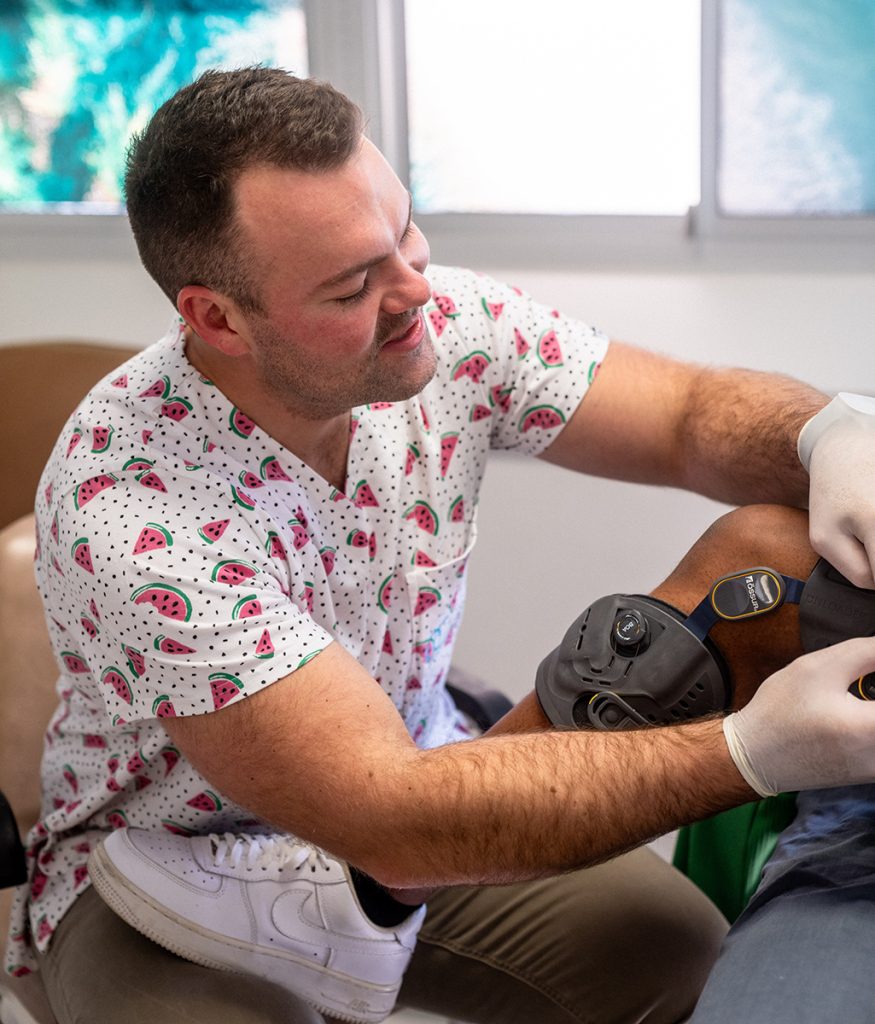

Personalised, Patient-Centred Care
No two patients are the same. Oswald takes the time to understand each individual's condition, lifestyle, and goals, ensuring that every orthotic solution is tailored to their specific needs.

Collaborative Rehabilitation Approach
Successful rehabilitation often involves teamwork. Oswald works closely with physiotherapists, occupational therapists, surgeons, and other healthcare professionals to help patients achieve the best possible outcomes.
Advanced Assessment and Custom Fitting
Using modern assessment techniques and custom fabrication methods, we provide orthotic solutions designed to support recovery, improve posture, reduce pain, and enhance everyday movement.
Convenient and Accessible Care
Our main practice is located at Mediclinic Constantiaberg, with additional sessional clinics in Fish Hoek and Simon's Town, making specialist orthotic care accessible across Cape Town.
Signs a Back Brace Might Help
A Back Brace Might Be Right for You If:
Back pain can affect everything from work and exercise to simple everyday activities. While not every back problem requires a brace, the right support can help reduce strain, improve comfort, and support recovery in many situations.
You Experience Ongoing Lower Back Pain
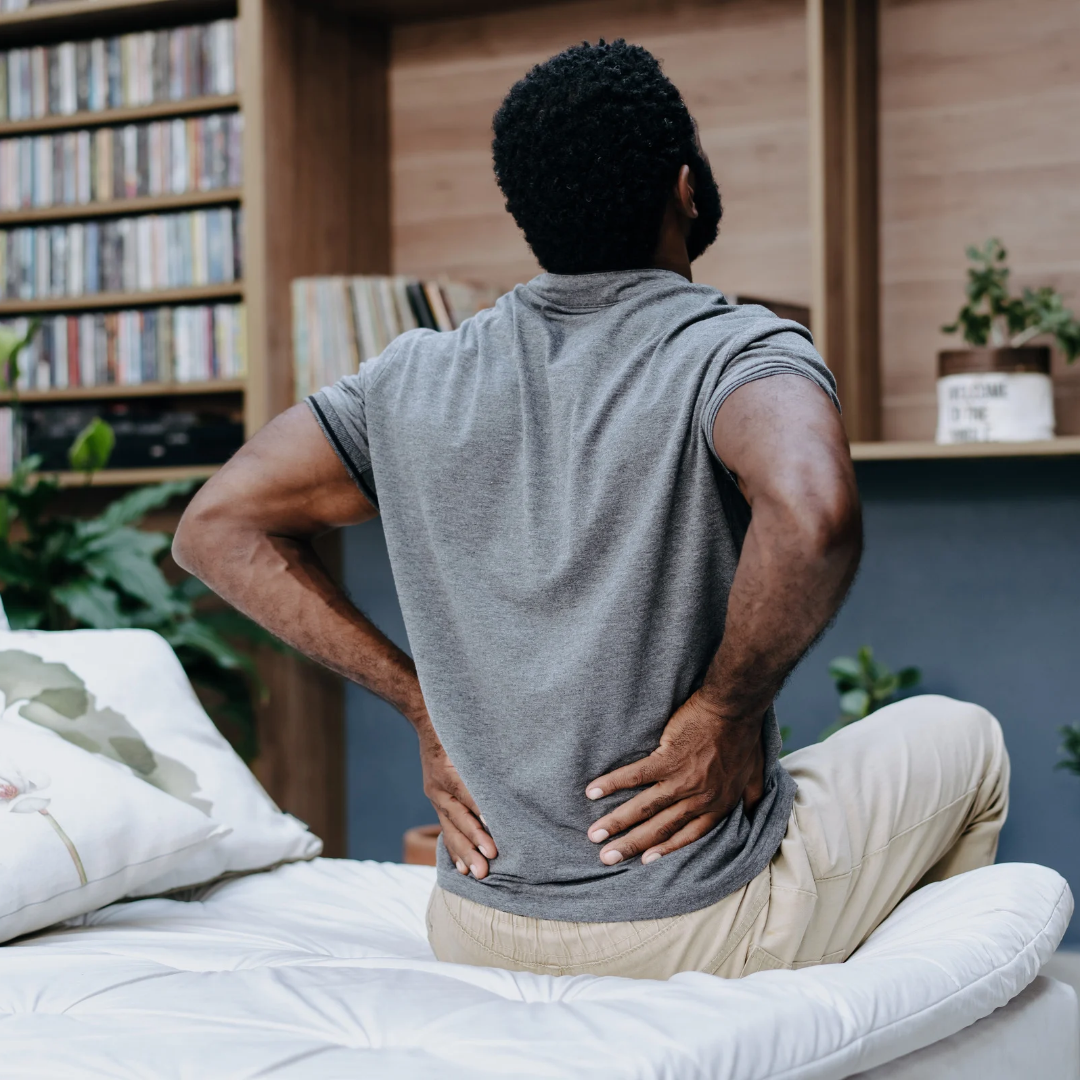
If you regularly experience lower back pain when standing, walking, sitting, or lifting, a lumbar support brace may help reduce strain and improve comfort throughout the day.
You’re Recovering From a Back Injury or Surgery
Back braces are commonly used following spinal surgery, fractures, or injuries to provide stability, protect healing structures, and support a safe return to activity.
You Have Poor Posture
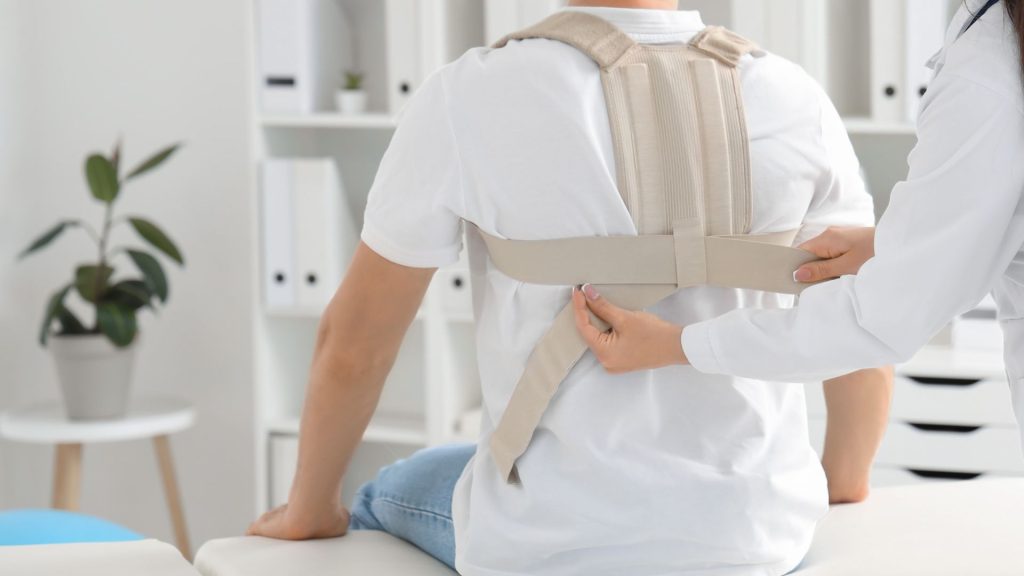
If you find yourself slouching, developing rounded shoulders, or experiencing postural fatigue after long periods of sitting or standing, a posture correction brace may help improve alignment and body awareness.
You Have Scoliosis or a Spinal Condition
Individuals with scoliosis, spinal deformities, or degenerative spinal conditions may benefit from specialised back braces designed to support spinal alignment and improve function.
You Experience Pain During Daily Activities
If bending, lifting, working, exercising, or household tasks regularly aggravate your back, additional support may help reduce discomfort and improve confidence in movement.You Need Extra Stability and Support
Some people simply require additional support during recovery, physically demanding work, or periods of increased activity. A properly fitted back brace can help improve stability and reduce fatigue.
Different Types of Back Braces
Posture Correction Braces
Scoliosis Braces
Hyperextension Braces
Rigid Back Braces
Custom-Made Back Braces
Choosing the Right Back Brace
Selecting the most appropriate orthosis requires more than identifying the location of discomfort. The underlying diagnosis, spinal stability, movement requirements and intended treatment outcomes determine the design and level of support needed.
Diagnosis and Clinical Requirements
Different spinal conditions require different orthotic approaches. A flexible lumbar support may be suitable for selected mechanical back pain presentations, whereas spinal fractures, instability or progressive deformities may require more specialised rigid or corrective systems.
Spinal Alignment and Biomechanics
Assessment may include spinal posture, sagittal and coronal alignment, trunk control, range of movement and relevant radiological findings. These factors help determine where support, movement restriction or corrective forces should be applied.

Comfort and Anatomical Fit
An orthosis must provide the prescribed support without creating excessive pressure, skin irritation or unnecessary functional restrictions. Appropriate sizing, anatomical contouring and adjustment are essential for effective treatment.
Materials and Support Systems
Modern spinal orthoses may incorporate thermoplastic shells, lightweight rigid panels, breathable fabrics, compression systems and adjustable straps. Material selection depends on the required stiffness, durability, comfort and intended wearing schedule.
Custom-Made vs Off-the-Shelf Orthoses
Standard devices may be appropriate when they provide adequate anatomical fit and clinical support. Custom-made systems are considered when individual anatomy, spinal deformity or specific biomechanical requirements cannot be adequately accommodated by standard designs.

Cost and Medical Aid Funding
The cost of spinal orthotic treatment varies according to the type of device, complexity, materials and customisation required. Following assessment, we provide detailed quotations and can assist with medical aid authorisation or reimbursement documentation where applicable.
Testimonials
What Clients Say About Us
Frequently asked questions
How much does a back brace cost in South Africa?
The cost of a back brace in South Africa depends on the type of brace, level of support required, and whether it is an off-the-shelf or custom-made device. Following an assessment, we provide a detailed quotation and can assist with medical aid submissions where applicable.
What is the best back brace for lower back pain?
The best back brace for lower back pain depends on the underlying cause of your symptoms. Lumbar support braces are commonly used to reduce strain, improve posture, and provide additional support during daily activities.
Can a back brace help with sciatica?
Yes. A lumbar support brace may help reduce strain on the lower back and support improved posture, which can help alleviate symptoms associated with sciatica.
Does medical aid cover back braces in South Africa?
Many medical aid schemes provide cover for back braces and spinal orthoses, depending on your plan and benefits. We can assist with quotations and supporting documentation for medical aid claims.
What is the difference between a lumbar support brace and a posture brace?
A lumbar support brace focuses on supporting the lower back and reducing strain, while a posture correction brace is designed to encourage improved spinal alignment and reduce slouching.
Can a back brace improve posture?
Yes. Posture braces can help improve postural awareness and encourage better spinal alignment, particularly for individuals who spend long hours sitting or working at a desk.
What back brace is best for scoliosis?
Scoliosis braces are specifically designed to support spinal alignment and manage spinal curvature. The most appropriate brace depends on the individual’s age, spinal curve, and treatment goals.
How long should I wear a back brace each day?
The recommended wear time varies depending on the condition being treated and the type of brace prescribed. During your assessment, we will provide guidance tailored to your specific needs.
Can a back brace help after spinal surgery?
Yes. Back braces are commonly used following spinal surgery to protect healing structures, limit excessive movement, and support a safe return to activity.
What is the best back brace for a slipped disc or herniated disc?
The best brace depends on the severity and location of the disc injury. Lumbar support braces are often used to help reduce strain, improve stability, and support recovery.
Do I need a custom-made back brace?
Custom-made back braces are often recommended for complex spinal conditions, scoliosis, unusual body shapes, or when off-the-shelf options do not provide sufficient support or comfort.
What conditions can a back brace treat?
Back braces are commonly used for lower back pain, sciatica, scoliosis, spinal fractures, degenerative disc disease, post-surgical recovery, poor posture, and other spinal conditions requiring support and stability.
Can I wear a back brace while working or exercising?
In many cases, yes. Depending on the type of brace and your condition, back braces can be worn during work, walking, exercise, and everyday activities. We will advise you on the most appropriate use.
Where can I get a back brace in Cape Town?
We provide custom-made and off-the-shelf back braces from our practice at Mediclinic Constantiaberg, with additional sessional clinics in Fish Hoek and Simon’s Town.
How do I know which back brace is right for me?
The right back brace depends on your diagnosis, symptoms, lifestyle, and treatment goals. A professional assessment helps determine the most suitable option for your condition and ensures the brace fits correctly and provides effective support.