

Introduction
Phantom limb pain (PLP) is a perplexing and often distressing condition that affects individuals who have undergone an amputation or suffered from losing a limb.
Characterised by the sensation of pain or discomfort in a limb that is no longer physically present, PLP challenges our understanding of pain and the body’s nervous system.
Despite its intangible nature, the impact of phantom limb pain on a person’s quality of life can be very real and profound.
In this blog, we aim to shed light on phantom limb pain, exploring its causes, symptoms, and the various treatment options available.
With a focus on cutting-edge therapies such as mirror therapy, alongside traditional treatment methods, we are dedicated to enhancing the well-being and mobility of our patients.
Join us as we delve into the complexities of phantom limb pain and offer insights into effective management strategies, all from the perspective of Cape Town’s leading orthotic and prosthetic practice.
Section 1: What is Phantom Limb Pain?

Phantom Limb Pain (PLP) or phantom limb sensation, is a condition that, while invisible to the eye, presents a very real experience of pain for those affected.
It occurs in individuals who have lost a limb, yet continue to feel sensations, often painful, as if the limb were still there.
This phenomenon is not only confined to pain; some individuals may feel other sensations such as itching, tingling, or even the limb being in a different position.
The concept of Phantom Limb Syndrome encompasses a broader range of experiences, including non-painful sensations and the feeling of the presence of the limb that has been amputated.
Phantom Limb Pain, specifically, refers to the painful sensations in the absent limb and is a significant challenge for both patients and healthcare providers.
Statistics indicate that up to 80% of amputees experience phantom sensations in their amputated limb, with a significant proportion of these individuals reporting pain that is chronic and debilitating.

The onset of PLP can vary, manifesting immediately after amputation or emerging months to years later.
The underlying causes of Phantom Limb Pain are complex and multifaceted.
It is believed to result from a mix of physical and psychological factors.
The brain and nervous system, having been mapped to receive input from all parts of the body, may continue to send signals to and receive signals from the nerves that originally served the amputated limb.
This miscommunication can lead to the brain interpreting these signals as pain.
Additionally, emotional and psychological factors, including the individual’s perception of pain prior to amputation, can influence the experience of PLP.
Section 2: Symptoms and Diagnosis of Phantom Limb Pain

Phantom Limb Pain (PLP) can be a puzzling condition, both for those experiencing it and the professionals diagnosing it. Let’s break down the symptoms and the diagnostic process
Symptoms of PLP
People with PLP might experience a range of sensations from their absent limb, including:
- Pain: Often described as shooting, stabbing, burning, or squeezing.
- Other Sensations: These can include itching, tingling, or even the feeling of the limb being in an awkward position.
It’s important to note that PLP is distinct from other types of pain related to amputation, such as residual limb pain or stump pain, which have different causes and treatments.
How PLP is Diagnosed
Diagnosing PLP involves a few key steps:
- Patient’s History and Symptoms: Understanding the individual’s experience is crucial. This includes the type of pain, its onset, and any factors that might influence it.
- Physical Examination: While PLP is about an absent limb, a physical exam can help rule out other sources of pain.
- Differentiating PLP: It’s vital to distinguish PLP from pain in the remaining part of the limb or other conditions that might mimic its symptoms.
There’s no single test for PLP, making the diagnosis largely based on the patient’s description of their experience. Early diagnosis is beneficial as it can lead to more effective management of the condition.
Why Understanding PLP Matters
Grasping the nuances of PLP helps in crafting more effective treatment plans. While it’s a condition that primarily exists in the realm of sensation and perception, the impact on an individual’s quality of life is very real. Knowing what symptoms to look out for and how it’s diagnosed can empower those affected to seek help sooner.
Section 3: Phantom Limb Pain Treatment Options

Treating Phantom Limb Pain (PLP) involves a variety of strategies aimed at relieving pain and improving quality of life. Here’s an overview of the treatment options available:
Medication

While no single medication can eliminate PLP, several types can help manage the pain:
- Pain Relievers: Over-the-counter painkillers and prescription medications may reduce symptoms.
- Antidepressants and Anticonvulsants: These are used to treat nerve pain, which is often a component of PLP.
Non-Medicinal Therapies

Many individuals find relief through treatments that don’t involve medication:
- Physical Therapy: Exercises and massage can improve blood flow and reduce pain.
- Acupuncture: Some find acupuncture helpful in managing PLP symptoms.
Advanced Treatments
For those who need more than conventional therapies, there are innovative options:
- Mirror Therapy: This involves using a mirror to reflect the intact limb, helping the brain “see” and “move” the phantom limb, which can reduce pain for some.
- Neuromodulation Techniques: Methods like TENS (transcutaneous electrical nerve stimulation) can alter pain perception.
- Psychological Support: Counseling and support groups can help individuals cope with the emotional aspects of living with PLP.
Custom Orthotics and Prosthetics
In some cases, properly fitted prosthetics can alleviate phantom limb sensations by providing sensory feedback to the brain, helping it adjust to the loss of the limb. Custom orthotics may also play a role in balancing the body and reducing the strain that might exacerbate PLP.
Contact us to enquire about phantom limb prosthetics. We use materials and components that have been proven to reduce phantom limb pains
A Multiple Disciplinary Approach
Effective management of PLP often requires a combination of treatments tailored to the individual’s needs. A multidisciplinary approach, involving various specialists, can offer the most comprehensive care.
Understanding the range of treatments available is the first step towards managing PLP effectively. It’s important for individuals to work closely with their healthcare providers to find the right combination of therapies that work for them.
Section 4: Mirror Therapy for Phantom Limb Pain
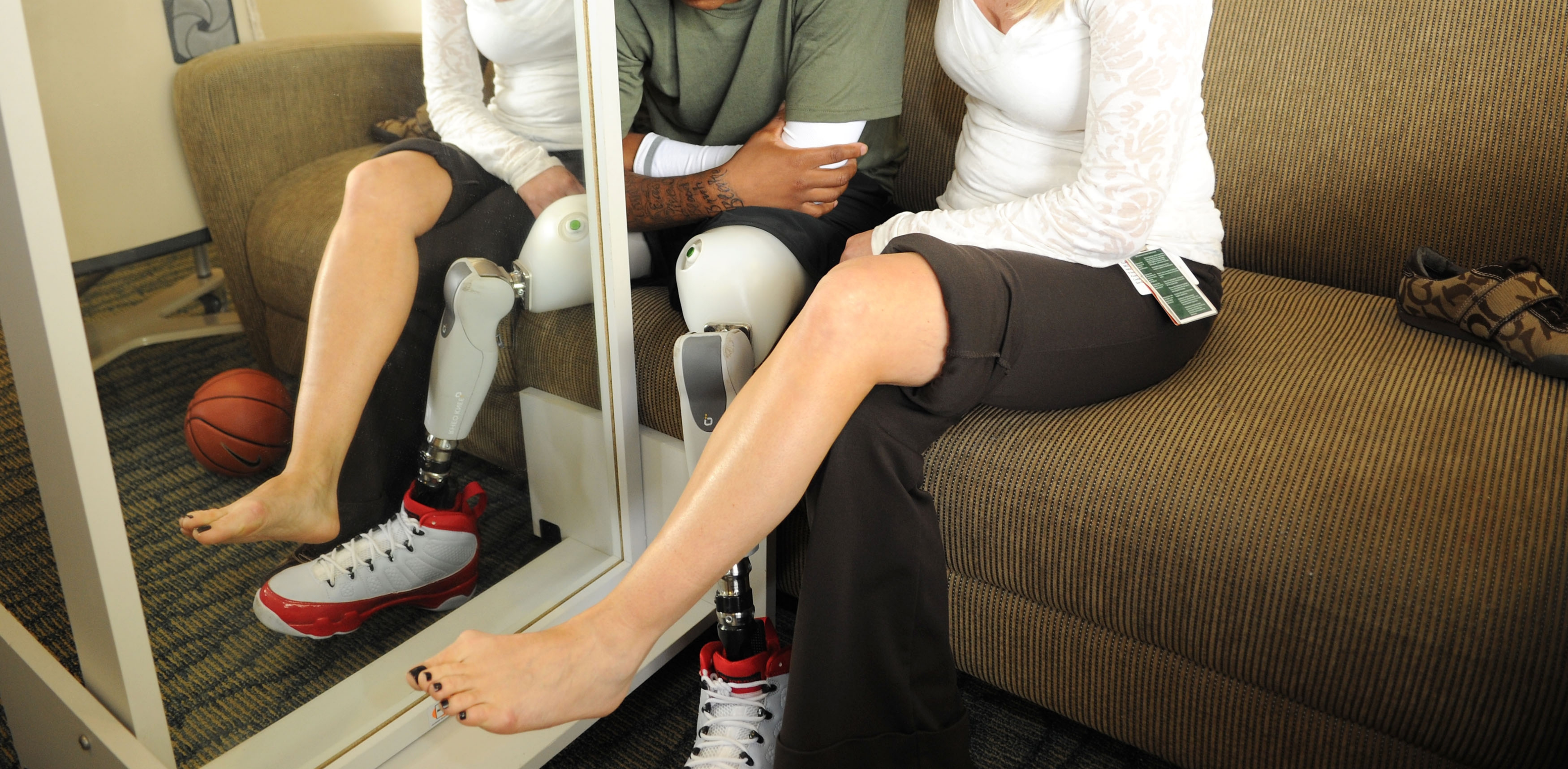
Mirror therapy stands out as a particularly innovative treatment for Phantom Limb Pain (PLP), offering a unique approach that combines the power of the mind with physical therapy. Here’s how it works and why it’s gaining attention in the field of rehabilitation.
What is Mirror Therapy?
Mirror therapy involves using a mirror to create a reflective illusion of the absent limb. The patient places the residual limb behind the mirror and the intact limb in front of the mirror. Moving the intact limb while watching its reflection creates the visual illusion that the missing limb is moving. This process can trick the brain into thinking it’s moving and observing the phantom limb, which can significantly reduce the sensation of pain.
The Benefits of Mirror Therapy
- Pain Reduction: Many patients report a decrease in PLP intensity after regular mirror therapy sessions.
- Improved Mobility: For some, mirror therapy can enhance the sense of control over the phantom limb, leading to improved mobility in the residual limb.
- Non-Invasive: It’s a safe, drug-free treatment option that patients can learn to do at home.
How it is Implemented
Mirror therapy sessions typically last about 15 to 30 minutes and are done several times a week. The key is consistency and patience, as the effects build up over time. Initially guided by a therapist, patients can learn to conduct these sessions independently.
Success Stories
While individual results vary, numerous patients have experienced significant relief from PLP through mirror therapy. Success stories often highlight not just a reduction in pain but also an improvement in overall well-being and functionality.
A Component of Comprehensive Care
It’s important to note that mirror therapy is most effective when integrated into a broader treatment plan. For some, combining mirror therapy with other treatments like physical therapy, medication, or psychological support yields the best outcomes.
Mirror therapy represents a fascinating intersection between neuroscience and rehabilitation. Its ability to alleviate phantom limb pain underscores the brain’s remarkable adaptability and the potential for innovative therapies to transform patient care.
Conclusion
Navigating the complexities of Phantom Limb Pain (PLP) requires a multifaceted approach that addresses both the physical and psychological aspects of the condition.
From innovative treatments like mirror therapy to traditional methods such as medication and physical therapy, the journey towards managing PLP is highly personal and varies from one individual to another.
At the heart of effective treatment is the understanding that each person’s experience of PLP is unique, necessitating personalized care plans that are tailored to meet their specific needs and challenges.
By staying informed about the latest advancements in treatment and maintaining an open dialogue with healthcare providers, individuals living with PLP can find relief and move towards reclaiming their quality of life.
As we continue to explore and understand the intricacies of phantom limb pain, the potential for new and improved management strategies grows, offering hope and support to those affected by this challenging condition.